The Independent National Electoral Commission (INEC) has warned political parties, election observers and other stakeholders against presenting independently collated election figures as official results ahead of the 2027 general elections.
The commission said independent efforts to collect and verify election results should complement its activities rather than undermine its statutory responsibility for collating and declaring final results.
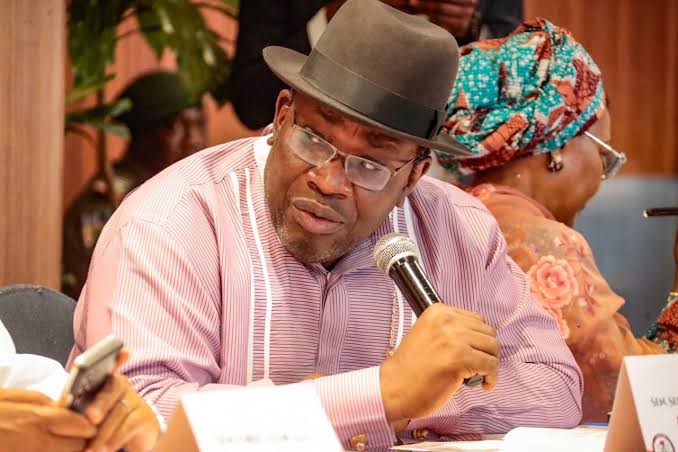
INEC Chairman, Prof. Joash Amupitan, issued the warning on Tuesday during a stakeholder meeting on independent results tabulation in Abuja. He was represented at the meeting by the commission’s Director of Information and Communication Technology, Dr Lawrence Bayode.
Amupitan said the proposed voluntary code of conduct for independent results tabulation could strengthen transparency, safeguard citizens’ rights and enhance public confidence in election outcomes.
He, however, cautioned that the publication of incomplete, inaccurate or misleading election figures could trigger confusion, heighten political tension and erode public trust in the electoral process, particularly given the speed at which information circulates on digital platforms.
“Indeed, transparency should not be regarded as a threat to electoral administration; rather, credible independent scrutiny will serve as an additional layer of accountability. However, transparency must be accompanied by responsibility,” he said.
The INEC chairman maintained that political parties, election observers, media organisations and other stakeholders were entitled to collect, analyse and verify election-related information within the provisions of the law.
He stressed, however, that the responsibility for officially declaring election results remained exclusively with the commission.
According to him, independent results tabulation must not be regarded as a substitute for INEC's constitutional and statutory responsibilities, warning that privately collated figures and unofficial projections must not be passed off as results formally announced by the commission.
“The Commission’s position is clear. Independent verification should complement electoral accountability, not create competing centres for statutory authority,” he stated.
Amupitan also revealed that the commission was strengthening its election results management system as part of preparations for the 2027 general elections.
He listed improvements to the Bimodal Voter Accreditation System (BVAS), the INEC Results Viewing Portal and additional verification mechanisms among the measures being introduced to guarantee the accuracy and credibility of polling unit results.
He explained that the improvements would ensure that election results originated from the appropriate polling units, were accurately documented and remained verifiable throughout the legally recognised collation process.
The INEC chairman, however, noted that technology alone was insufficient to guarantee credible elections, stressing that effective procedures, adequately trained personnel, proper supervision and active public participation were equally essential.
He further identified six major principles to guide the proposed voluntary code of conduct for independent results tabulation.
They include the adoption of appropriate verification methods, accuracy in the handling and publication of election information, measures to prevent electoral misinformation and robust cybersecurity safeguards.
Other principles cover mechanisms for identifying and correcting errors in published results, as well as consultations with relevant stakeholders to ensure the guidelines do not undermine the independence of election observers, media freedom or the lawful activities of political parties.
Source: WAFFI TV News