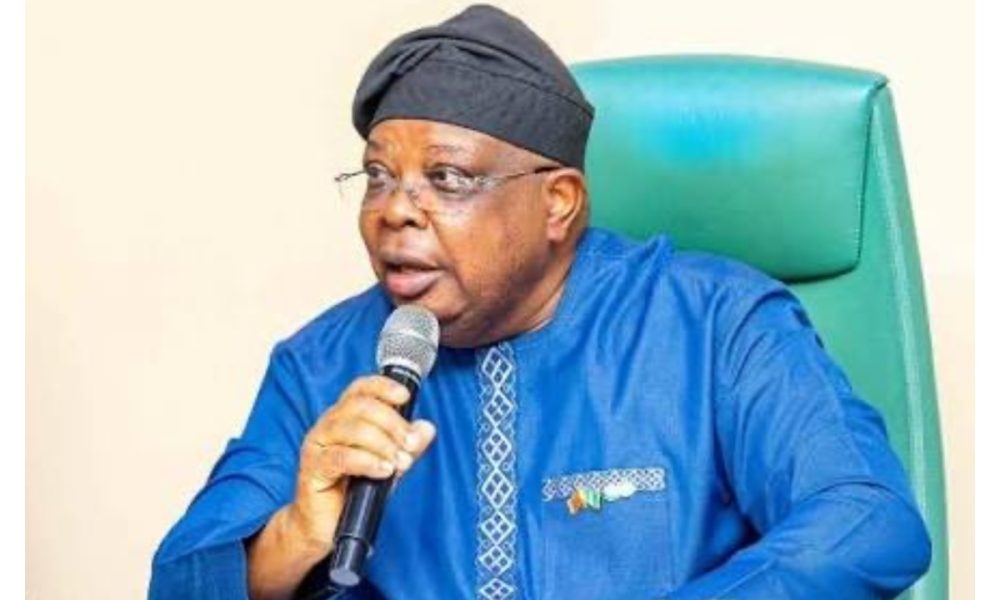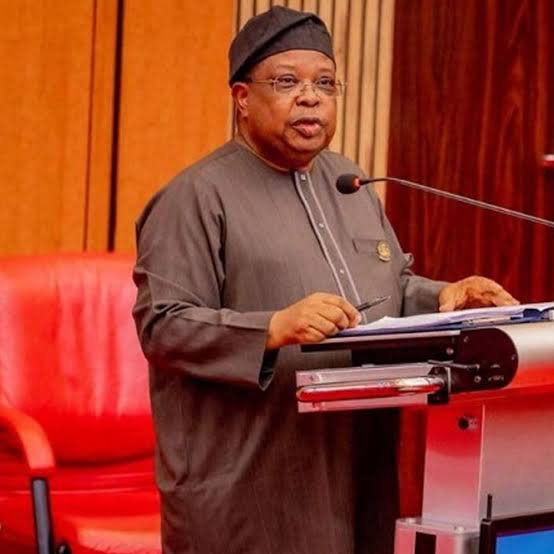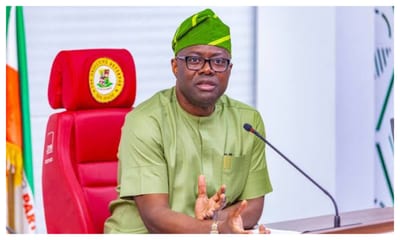
Oyo State Governor and Allied Peoples Movement (APM) presidential candidate, Seyi Makinde, has explained why Nigerians should support his presidential ticket, which features an associate of former Kano State Governor, Ibrahim Shekarau, Daura, instead of the Peter Obi-Rabiu Kwankwaso ticket in the 2027 general election.
Makinde identified the historic political alliance between the Southwest and Northern regions, his experience in governance, youthful energy and commitment to national unity as major strengths of his candidacy.
The governor stated this during an appearance on The Rooftop Podcast, where he argued that the longstanding relationship between the Southwest and North had played a significant role in maintaining Nigeria's stability during periods of national crisis.
According to him, his presidential ticket was positioned to sustain the tradition of cooperation between the two regions.
“Apart from the traditional Southwest-North alliance, because that alliance has always provided stability for Nigeria in time of crisis in the past,” Makinde said.
He cited Nigeria's first military coup as an example of the historical roles played by the two regions in preserving national stability.
“If you even go back to the first military coup in Nigeria, the people that were wasted were basically the north and southwest, because we’re always in the forefront of stability for the country, and that is what we have brought to the table,” he said.
Makinde also highlighted his record in Oyo State, insisting that his administration's achievements, alongside the youthful energy of his presidential ticket, gave him an advantage over other contenders.
He maintained that his political programme was structured around measurable commitments that would enable Nigerians to assess his performance and hold him accountable for promises made during the campaign.
The APM presidential candidate further proposed a transitional government of national unity, which he said would help address the country's political, economic and security challenges through collective efforts and broader national consensus.
Makinde expressed his willingness to lead the proposed transitional arrangement but ruled out benefiting from its eventual outcome, explaining that such an arrangement could influence his decisions if he stood to gain personally.
“I can lead it, but I will not be a beneficiary of the outcome because if I’m looking at myself benefiting from that outcome, it may cloud my judgment and also block how I will take that decision,” he said.
He argued that a government of national unity was necessary to tackle insecurity and other challenges confronting the country, stressing that the problems were widespread and not restricted to any particular region.
“And a government of national unity, because, you know, you look at insecurity and things fueling it all around the country. It’s not limited to any area,” Makinde said.
Source: WAFFI TV News