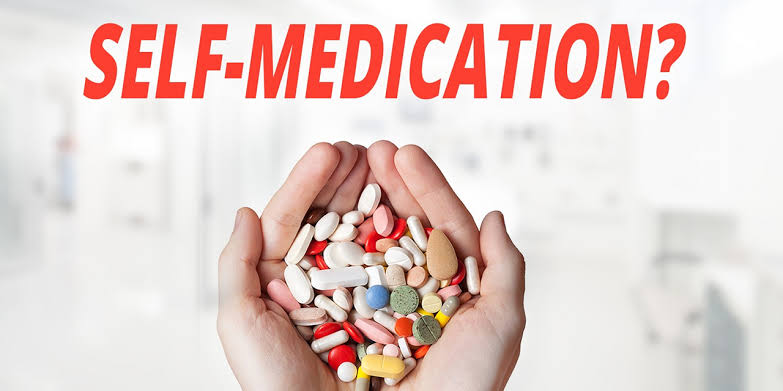
Medical experts have sounded the alarm over the rising trend of self-medication in Nigeria, warning that the practice is contributing to a surge in liver-related illnesses and exposing millions of people to the risk of permanent organ damage.
According to the specialists, the widespread misuse of painkillers, antibiotics and herbal concoctions without proper diagnosis or medical supervision has emerged as a major but often overlooked public health concern.
The warning was issued during a webinar themed, “The Hidden Costs of Self-Medication on Liver Health,” organised by [SYNLAB Nigeria](https://www.synlab.com.ng?utm_source=chatgpt.com) as part of its Corporate Social Responsibility programme focused on promoting preventive healthcare and public health awareness.
Speaking at the event, Dr. Ganiyat Kikelomo Oyeleke explained that the liver is particularly vulnerable to damage caused by the misuse of drugs because of its vital role in processing toxins and medications.
She noted that the organ performs essential functions, including metabolising drugs and filtering harmful substances from the body, making it highly susceptible to injury when medications are taken improperly or excessively.
Oyeleke linked the growing prevalence of self-medication in Nigeria to economic difficulties, unrestricted access to over-the-counter medicines and entrenched cultural habits.
She observed that many Nigerians choose to prescribe drugs for themselves to avoid healthcare costs, often combining medications dangerously or consuming them in excessive quantities.
The hepatologist warned that the misuse of commonly available drugs such as pain relievers, antibiotics and herbal supplements can trigger drug-induced liver injury, particularly when combined with alcohol or other medications.
She also challenged the popular belief that herbal remedies are inherently safe.
According to her, the fact that a product is natural does not automatically make it harmless, noting that several herbal mixtures contain substances capable of causing severe liver damage.
Oyeleke further explained that liver disease often develops silently, with symptoms becoming noticeable only after significant damage has already occurred.
She advised Nigerians to avoid unnecessary medication use, limit alcohol consumption, receive hepatitis vaccinations where appropriate and seek professional medical care whenever symptoms persist.
Also speaking at the webinar, Dr. Olusola Omoyele underscored the importance of routine testing and early diagnosis in protecting liver health.
She said regular liver function tests and health screenings can help identify abnormalities at an early stage and improve treatment outcomes.
Omoyele noted that individuals who frequently self-medicate, consume herbal products, abuse alcohol or live with underlying health conditions face a higher risk of developing liver complications and should undergo periodic screening.
However, she cautioned that normal liver function test results do not necessarily guarantee a healthy liver.
According to her, comprehensive assessment by qualified healthcare professionals remains essential because certain liver diseases may still be present despite apparently normal test outcomes.
The experts unanimously agreed that timely diagnosis and treatment are critical, stressing that many liver conditions become significantly more difficult to manage once they progress to advanced stages.
The webinar, which was streamed live on YouTube, formed part of SYNLAB Nigeria’s broader effort to promote health education and encourage Nigerians to embrace preventive healthcare measures as a key strategy for reducing the burden of chronic diseases.
Source: WAFFI TV News