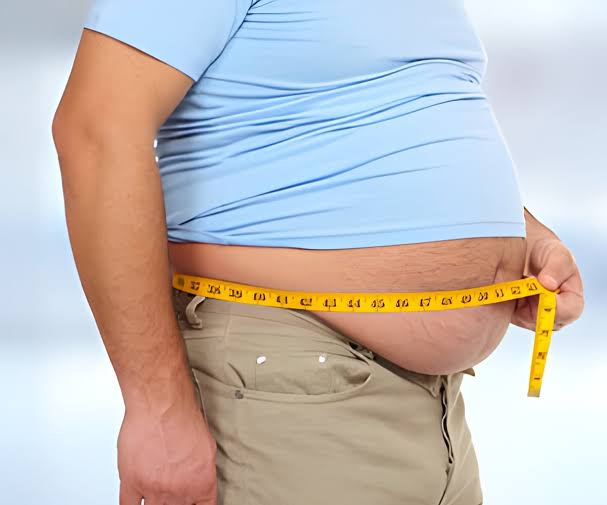
Why a Growing Waistline May Be Your Body’s Biggest Warning Sign
How much do you weigh? Is your waistline small or large? Whatever your answer, your waist measurement could reveal more about your health than the number on your bathroom scale.
Many people rely on their weight to determine whether they are healthy. If the figure on the scale seems acceptable, they assume there is nothing to worry about. However, health experts say body weight alone does not tell the full story. In many cases, measuring your waist with a tape measure provides a better indication of your overall health.
### **Why Your Waistline Matters**
In many Nigerian homes, a large belly is often seen as a sign of wealth, comfort or successful ageing. Medical experts, however, warn that an expanding waistline may be an early warning sign of serious health conditions, including Type 2 diabetes, heart disease, stroke, joint problems and fertility issues.
While obesity affects both men and women, women are more likely to accumulate excess abdominal fat. According to the World Health Organisation (WHO), excess body fat—particularly around the waist—greatly increases the risk of non-communicable diseases, cardiovascular disease, Type 2 diabetes and certain cancers.
Unlike body weight, waist circumference gives a clearer picture of how much fat surrounds vital organs, making it a more reliable indicator of health risks.
### **It’s Not Just About Weight**
The real concern is not simply being overweight but where the fat is stored. Research consistently shows that abdominal fat, commonly called belly fat, is one of the strongest predictors of future health problems.
A person may appear to have a normal body weight but still carry dangerous amounts of fat around the abdomen—a condition often described as "skinny fat."
More than half of adult Nigerian women are believed to have excess abdominal fat, compared with about 13 percent of men.
Unlike fat stored in other parts of the body, belly fat is biologically active. It releases hormones and inflammatory substances that interfere with blood sugar control, blood pressure and cholesterol, increasing the risk of chronic disease.
### **The Hidden Health Risks**
One of the earliest effects of excess abdominal fat is insulin resistance, where the body's cells stop responding effectively to insulin. As blood sugar levels rise, the pancreas works harder to compensate, eventually increasing the risk of developing Type 2 diabetes.
Abdominal fat also promotes chronic inflammation and contributes to the narrowing and hardening of arteries, significantly raising the likelihood of hypertension, heart attacks and stroke.
Many people overlook these dangers because they focus on their overall weight rather than how their body fat is distributed.
### **Effects on Bones and Fertility**
A growing waistline places extra strain on the lower back, hips, knees and ankles. Over time, this can lead to chronic pain, reduced mobility and joint damage.
Excess belly fat can also affect fertility by disrupting hormone balance. In women, it may interfere with ovulation and menstrual cycles. In men, it has been linked to lower testosterone levels and poorer sperm quality.
Because abdominal obesity develops gradually, many people fail to notice the danger. Clothes become tighter, belts are loosened and routines continue unchanged, while harmful changes silently occur inside the body.
### **When Does Your Waist Become Dangerous?**
Health experts recommend the following waist measurements:
* **Men:** Less than **94 centimetres** is considered healthy. A waist between **94 and 102 centimetres** signals increased health risk, while **102 centimetres or more** significantly raises the risk of diabetes, hypertension, heart disease and stroke.
* **Women:** Less than **80 centimetres** is healthy. A waist between **80 and 88 centimetres** indicates increased risk, while **88 centimetres or more** is considered high risk.
### **The Waist-to-Height Rule**
Many experts now recommend using the waist-to-height ratio as an even better measure of health.
The guideline is simple: **your waist circumference should be less than half of your height.**
For example:
* A person who is **170 centimetres tall** should aim for a waist below **85 centimetres**.
* Someone who is **180 centimetres tall** should keep their waist below **90 centimetres**.
This method accounts for differences in body size. Two people may have the same waist measurement, but the shorter person could face a much higher health risk because abdominal fat represents a larger proportion of their body.
### **Age Is Not an Excuse**
Although people naturally gain more abdominal fat as they age, an expanding waistline should not be accepted as a normal part of getting older.
Whether you're 35 or 65, excess belly fat remains strongly associated with diabetes, cardiovascular disease, stroke and joint problems. In children, a waistline measuring more than half of their height may also indicate an increased risk of future metabolic disorders.
### **A Simple Rule to Remember**
Health experts recommend:
* Men should keep their waist below **94 centimetres** and take action if it exceeds **102 centimetres**.
* Women should aim for less than **80 centimetres** and seek to reduce it if it reaches **88 centimetres** or more.
* Everyone should strive to keep their waist measurement below **half of their height**.
### **The Good News**
The encouraging news is that abdominal fat often responds well to healthy lifestyle changes.
Regular physical activity, a balanced diet, adequate sleep and effective stress management can significantly reduce belly fat over time. Limiting highly processed foods, sugary drinks and excessive alcohol consumption can also make a substantial difference.
Rather than relying solely on the number on the scale, health experts advise paying close attention to your waistline—it could be one of the earliest and most important indicators of your future health.
7/26/2026, 6:57:23 AM
views 9687
4358