Subscribe to our newsletter

Health & Fitness    
Rivers, Benue, A’Ibom Top Nigeria’s 2m HIV patients
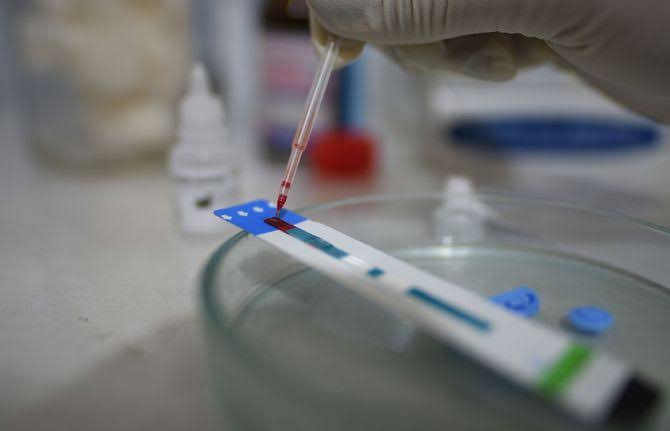
The 2024 HIV prevalence data by state reveals that Rivers State has the highest number of people living with HIV, recording 208,767 cases. It is closely followed by Benue State with 202,346 cases and Akwa Ibom with 161,597. These three states top the list in the latest HIV Spectrum Estimates released by the National Agency for the Control of AIDS (NACA). According to the data, over two million Nigerians are currently living with HIV, underscoring the urgent need for continued investment in prevention, testing, and treatment services. Lagos State, Nigeria’s commercial hub, ranks fourth with 108,649 cases. Anambra State comes next with 100,429, while the Federal Capital Territory (FCT) reported 83,333, the highest in the north-central region. Other high-prevalence states include Delta (68,170), Imo (67,944), Enugu (61,028), Edo (60,095), and Taraba (58,460). In the mid-tier bracket are Abia (54,655), Kaduna (54,458), Kano (53,972), Plateau (51,736), Borno (50,433), Oyo (50,063), Cross River (43,452), Ogun (43,348), and Nasarawa (44,993). Adamawa reported 40,059 cases, while Gombe (31,825), Jigawa (31,409), Osun (30,714), and Niger (29,756) follow. Bauchi (28,698), Kogi (28,421), Ondo (27,150), Katsina (26,788), and Bayelsa (25,339) fall into the lower-middle category. States with the lowest numbers include Kwara (20,259), Kebbi (19,339), Ekiti (18,857), Sokoto (15,223), Ebonyi (14,151), Zamfara (13,253), and Yobe (11,956). The report also notes that an estimated 43,683 people died from HIV-related causes in the past year — 28,589 adults (13,650 men and 14,939 women) and 15,094 children under 15. As of the latest count, 1,753,425 people living with HIV are aware of their status, including 1,693,457 adults (579,209 men and 1,114,401 women) and 54,983 children. Access to antiretroviral therapy (ART) has expanded significantly, with 1,735,808 people on treatment. This includes 1,690,057 adults (577,632 men and 1,112,425 women) and 45,751 children. Out of those receiving ART, 1,160,256 underwent viral load testing, and 1,112,339 showed viral suppression — comprising 1,083,177 adults and 29,162 children. Among pregnant women, 93,186 were identified as needing ART to prevent mother-to-child transmission, but only 31,095 received treatment, exposing a critical gap in prevention efforts. NACA’s Director-General, Dr. Temitope Ilori, assured that the Federal Government is taking proactive steps to avoid any potential shortages of HIV medications across the country.
4/23/2025, 9:05:18 AM
views 6103
NAFDAC Raises Alarm Over Circulation Of Counterfeit Aflotin Drugs
The National Agency for Food and Drug Administration and Control (NAFDAC) has issued a public alert regarding the circulation of counterfeit Artemether/Lumefantrine tablets in Nigeria, falsely branded as Aflotin 20/120. In a post shared on its official X handle on Tuesday, NAFDAC revealed that the fake medication was identified and reported by Ajanta Pharma Limited, the legitimate manufacturer based in Mumbai, India. The company disclosed that it originally produced batch number PA2128L in December 2018 as Combisunate 20/120 (Artemether 20mg/Lumefantrine 120mg), with an expiry date of November 2020, packaged in 30 x 24 tablet packs. However, the batch has been counterfeited and repackaged as Aflotin 20/120mg in 1 x 18 tablet packs. NAFDAC noted that the overprinted labeling on the counterfeit product did not align with Ajanta Pharma’s authentic style. Following an investigation and inspection of the product, Ajanta Pharma confirmed that the Aflotin 20/120mg with Batch No: PA2128L currently found in Nigeria is a fake. “The genuine Aflotin 20/120 tablet is a combination of Artemether/Lumefantrine (20mg/120mg) and is primarily used for the treatment of uncomplicated malaria caused by the Plasmodium falciparum parasite,” it said. The regulatory agency emphasised that counterfeit medicines endanger people’s health because they do not comply with regulatory standards, which means the safety, quality, and efficacy of these products are not ensured. “The use of counterfeit medicines often fail to treat diseases or conditions effectively, leading to serious health consequences, including death,” NAFDAC said. It said all NAFDAC zonal directors and state coordinators had been informed and directed to conduct surveillance and remove any counterfeit products found within their zones and states. NAFDAC further urged distributors, retailers, healthcare professionals, and caregivers to remain cautious and vigilant throughout the supply chain to prevent the distribution, sale, or use of counterfeit medicines. The agency emphasized that all medical products should be sourced exclusively from authorised or licensed suppliers.
4/16/2025, 7:42:45 AM
views 3378
NAFDAC Tightens Pharmaceutical Imports from China, India
The National Agency for Food and Drug Administration and Control (NAFDAC) is intensifying its efforts to prevent the influx of counterfeit and substandard products into Nigeria, especially from China and India—Nigeria’s top pharmaceutical trade partners. Speaking at a stakeholders’ meeting on Thursday, NAFDAC Director-General, Prof. Mojisola Adeyeye, highlighted that the Clean Report of Inspection and Analysis (CRIA) scheme has greatly enhanced the agency’s regulatory oversight on imports from these countries. While China and India previously supplied 70% of Nigeria’s pharmaceutical imports, NAFDAC’s campaign to boost local production has reduced that share to 60%. Nevertheless, fake and substandard medicines from both countries remain a significant concern. “Because most of these drugs come from China and India, the CRIA scheme is operational in those two countries,” Adeyeye stated. “It ensures that only safe and high-quality products are shipped while preventing the export of substandard and counterfeit products.” NAFDAC has appointed and accredited CRIA agents in China and India to conduct rigorous pre-shipment inspections to tackle the issue at the source. In addition to appointing CRIA agents in China and India, NAFDAC is collaborating with COTECNA, a global testing, inspection, and certification service provider, to enhance quality control measures. She urged stakeholders to engage with these CRIA agents before shipping any consignment to Nigeria. “I strongly encourage you to engage with CRIA agents before shipping any consignment–that is, to our stakeholders– from China, India, or Nigeria. You have the flexibility to choose from any of the listed CRIA agents to ensure compliance and safeguard the quality of imported products.” NAFDAC also introduced an electronic platform, the Port Inspection Data Capture and Risk Management System (PIDCARMS), to enhance document verification and streamline inspection processes. Despite these efforts, Adeyeye posed a question she’s yet to answer, What happens to the rejected shipments?” she questioned. “Do they find a way back through illegal channels? This is a challenge we must tackle together with CRIA agents in China and India.” To avoid regulatory breaches and ensure that only approved products are imported into Nigeria, stakeholders were urged to consult NAFDAC’s official website for detailed guidelines on product registration, labeling, and shipping requirements to ensure full compliance with established standards.
4/4/2025, 11:50:22 AM
views 2415
Lassa Fever Kills 118 Nigerians In 1st Quarter Of 2025
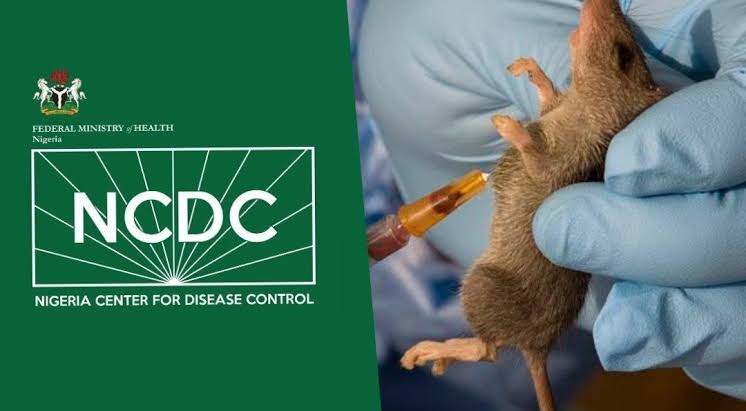
The Nigeria Centre for Disease Control and Prevention (NCDC) has reported that between January and March, the country recorded 3,465 suspected cases of Lassa fever across 91 local government areas in 33 states. In a statement on Sunday, NCDC’s Head of Corporate Communication, Sani Datti, disclosed that 645 cases were confirmed, with 118 fatalities, resulting in a Case Fatality Rate (CFR) of 18.3%. “Sadly, 20 healthcare workers have been infected—8 in Ondo, 4 in Bauchi, 1 in Edo, 2 in Taraba, 1 in Ebonyi, 2 in Gombe, 1 in Benue, and 1 in Ogun,” the statement added. To strengthen its response, the NCDC deployed Rapid Response Teams (RRTs) to 10 states—Kogi, Plateau, Ondo, Edo, Bauchi, Ebonyi, Taraba, Benue, Gombe, and Nasarawa—for two weeks between January and March 2025. “As a result of the evolving nature of the outbreak in some areas, deployments in Edo and Taraba were extended by an additional 10 and 7 days respectively, “ it added. The Director General of the NCDC, Dr. Jide Idris, said in an effort to respond and strengthen outbreak control, the agency has activated the Lassa Fever National Emergency Operations Centre (LF-EOC) at Response Level 2. “This activation allows for improved coordination across all the stakeholders (Federal, State, Local Government, Developmental partners and others). “Moreover, the agency has distributed essential medical supplies, including personal protective equipment (PPEs) and treatment medications, to affected states. “Also, targeted, state-specific advisories have been issued to guide the prevention and control of Lassa fever, “ he said. According to him, “Despite these efforts, several challenges have hindered response efforts. “ “These include weak community-level surveillance, which impedes early detection, and inadequate human and financial resources for treatment, contact tracing, and active case search at both state and community levels. “Furthermore, treatment centers are experiencing workforce shortages, and many patients delay seeking care, often resorting to self-medication and unorthodox practices, which ultimately prove ineffective. “Additionally for the best outcomes, individuals suspected of having Lassa fever are advised to seek medical care immediately, “ he further said.
3/30/2025, 2:51:09 PM
views 3718
Tuberculosis Not Caused By Spiritual Forces, Treatment Free~ FG
The Federal Government has dismissed the belief that tuberculosis (TB) is caused by spiritual forces, emphasizing that the disease is curable. It also reaffirmed that TB screening and treatment are free at government-owned health facilities. Dr. Urhioke Ochuko, Deputy Director of the National Tuberculosis and Leprosy Control Programme, stated this on Saturday during a roadshow and awareness walk in Abuja to mark World TB Day. The event was themed *“Yes! We Can End TB: Commit, Invest, and Deliver.”* World TB Day, observed annually on March 24, aims to raise awareness and mobilize political commitment, resources, and healthcare financing to eliminate TB. Ochuko explained that the awareness walk was designed to encourage Abuja residents to seek medical attention if they experience persistent cough, chest pain, weakness, weight loss, night sweats, or other TB symptoms. He stressed that TB is both preventable and curable, underscoring the importance of early detection and treatment to halt its spread. “The whole essence of this exercise is to get people around, people within the marketplace, the areas where we’ve moved through, to be able to know that TB is still with us, and for them to get the right message. If anyone is coughing for two weeks or more, has a fever that has lasted for more than two weeks, or is losing weight unintentionally, they should seek care at the nearest hospital closer to them so that they can be tested. “If they are found to have TB, they will be treated for free. So the whole essence is to say that TB is still with us. It is not caused by superstition; it is not caused by spiritual forces; it is caused by germs that can be cured.” He noted that while Nigeria has made significant progress in the fight against TB, there is a need for more effort to target undiagnosed TB cases, especially those in underserved areas. He said, “We’ve made good progress in terms of the fight against TB because, in recent years, we’ve been able to improve TB case notification. Last year, we were able to enrol over 400,000 Nigerians on TB treatment out of about 500,000 estimated to have the disease. “The government has deployed digital X-ray machines to health facilities and communities across the country to enhance prompt screening and diagnosis of TB. “With the government’s renewed commitment and collective effort, Nigeria is working towards a TB-free future,” he stated.
3/23/2025, 7:26:49 AM
views 2212
NAFDAC Destroys N1trn Fake Drugs, Others In Anambra
The National Agency for Food and Drug Administration and Control (NAFDAC) on Friday destroyed counterfeit, substandard, and fake pharmaceutical products, along with other items valued at over ₦1 trillion, at the Anambra State Waste Management Authority Dump Site in Agu Awka, Anambra State. NAFDAC’s Director General, Mojisola Adeyeye, who supervised the exercise in Awka South Local Government Area, stated that the destroyed items included Analgin, controlled substances like Tramadol 225mg, and other unwholesome products. She was represented by the agency’s South-East Zonal Director, Dr. Martins Iluyomade. According to Adeyeye, the fake, unregistered, and expired drugs were seized from the Onitsha Bridge Head Drug Market (Ogbu-Ogu) and the Ekumi/Tenant Road Drug Market in Aba. Speaking to journalists before the destruction, the NAFDAC chief reaffirmed the agency’s commitment to ensuring the safety and effectiveness of food, drugs, cosmetics, medical devices, chemicals, packaged water, and beverages for public consumption. She said, “Today, we are destroying the fake, counterfeit and illicit drugs that were seized during our one month enforcement exercise. The products that were classified as illicit, expired, and banned were confiscated during a raid on Onitsha Bridge Head Drug Market (Ogbu- Ogu) and Ekumi/ Tenant Road drug market in Aba. “The recent discovery of counterfeit and other products in these major markets in the country is mind-boggling. The discoveries made of the presence of unregistered products, banned products such as Analgin, and Controlled substances such as Tramadol 225mg amongst others, are part of the things making our country unsafe in terms of security. She said, “We, as an agency have come to realise that the time has come to put an end to the circulation of substandard medicines in Nigeria. Different calls, different cries have been made and we have listened to those cries and rejig our ways and assured Nigerians that they can go to bed that whatever medicines that are now in the system are safe and fit for consumption. “The enforcement exercise took us about a month from February 10 to March 5 and we want to say it is a continuous exercise. The current management of NAFDAC has an unrenewable commitment to ensure that these fake drugs are stamped out. It is a bit complex even though we have said that medicines have been certified but still people get them in. “Bulk volumes of narcotics and other medicines that are not approved because of their effect were confiscated. The volume that we found during this exercise is more than enough to destabilise a country, by research, there is a correlation between them and insecurity. “The volume is huge and humongous and it is one of the highest in the world. From Onitsha and Aba, the total volume of trucks of fake drugs that have been moved out of these markets are over a 100 40ft containers. And it is over a trillion naira, the estimated value of products that are being destroyed today. Millions of people have been saved by this action alone. “We assure all Nigerians that the medicines that are now available in the market are authentic and efficacious and we urge Nigerians that when they see something, they should say something.” The NAFDAC boss, however, commended the media for its role in propagating the fight against fake drugs in the country, calling for every individual to lend their voice against fake drugs.
3/21/2025, 3:17:19 PM
views 3203
NAFDAC Alerts Nigerians On Falsified Oxycontin 80mg
The National Agency for Food and Drug Administration and Control (NAFDAC) has issued a public alert regarding falsified Oxycontin 80mg (oxycodone hydrochloride) found in an unregulated market in Switzerland. The alert, numbered 07/2025, was published on NAFDAC’s website on Thursday. According to the agency, the counterfeit medication was reported to the World Health Organization (WHO) by its genuine manufacturer, MUNDIPHARMA, in February. NAFDAC explained that the falsified product mimicked the authentic OXYCONTIN 80mg authorized for sale in Poland. Genuine OXYCONTIN, which contains oxycodone hydrochloride, is a semi-synthetic opioid prescribed for moderate to severe pain relief. Laboratory tests conducted by the Drug Information Centre in Zurich, Switzerland, revealed that the counterfeit tablets contained no oxycodone. Instead, WHO and DIZ’s drug-checking service identified a synthetic opioid, likely a nitazene compound. Nitazene derivatives, such as metonitazene, isotonitazene, and fluonitazene, are highly potent synthetic opioids primarily used in research due to their strong addictive potential and severe side effects. NAFDAC warned that these substances could be hundreds of times stronger than oxycodone, significantly increasing the risk of overdose. The agency emphasized that there is limited information on their risks, toxicity, side effects, and long-term health impacts. “The identified product in this alert is confirmed as falsified on the basis that it deliberately/fraudulently misrepresented its identity, composition, or source. “The falsified product imitates OXYCONTIN 80mg manufactured and marketed by MUNDIPHARMA in the Polish market. MUNDIPHARMA has confirmed that the product was falsified and was not produced by their company. “This falsified product has been found to contain undeclared nitazene compounds, which pose a significant risk due to the high likelihood of adverse events, even in small doses. Nitazenes produce similar effects to other opioids. “Their high potency carries a high risk of overdose and death. Using nitazene derivatives has been linked to several deaths. “Mixing them with other depressants like alcohol or benzodiazepines can be very dangerous, leading to severe effects like respiratory depression, low blood pressure, coma, or even death,” NAFDAC said. NAFDAC cautioned that the falsified Oxycontin 80mg poses a significant danger, particularly to individuals with substance use disorders who may mistakenly believe it to be a safe and quality-assured medication. The agency identified visible discrepancies in the counterfeit product, including incorrect placement of the batch and expiry dates. Unlike the genuine OXYCONTIN, where these details appear on the back of the blister strip, the falsified version displays them on the front. Additionally, in the counterfeit product, the expiry date is positioned on the left and the batch number on the right—opposite to the correct format in authentic OXYCONTIN. To curb the circulation of the falsified product, NAFDAC has directed its zonal directors and state coordinators to conduct surveillance and remove any counterfeit versions found in their respective areas across Nigeria. The agency urged importers, distributors, retailers, healthcare professionals, and consumers to exercise caution throughout the supply chain to prevent the importation, distribution, sale, and use of falsified OXYCONTIN tablets. NAFDAC emphasized that all medical products and devices should only be obtained from authorized or licensed suppliers. It also advised thorough verification of product authenticity and physical condition before use. Healthcare professionals and consumers are encouraged to report any suspected cases of substandard or falsified medicines or medical devices to the nearest NAFDAC office. Reports can also be made by calling 0800-162-3322 or via email.
3/21/2025, 7:38:58 AM
views 4470
NCDC Records 103 Lassa Fever Deaths, 563 Confirmed Cases
The Nigeria Centre for Disease Control and Prevention (NCDC) confirmed 563 Lassa fever cases out of 2,960 suspected cases, with 103 deaths recorded as of March 9, 2025. According to the Week 10 situation report on the hemorrhagic fever, the disease has spread to 14 states and 78 local government areas, with a Case Fatality Ratio of 18.3%. Confirmed cases were reported in Ondo (175), Bauchi (139), Edo (98), Taraba (84), Ebonyi (17), Kogi (15), Gombe (11), Plateau (10), Benue (5), Nasarawa (3), Delta (2), Cross River (2), Enugu (1), and Anambra (1). Lassa fever, which typically spreads during Nigeria's dry season, is a zoonotic viral illness transmitted by the common African rat, also known as the Mastomys rat species. The report partly read, “In Week 10, the number of new confirmed cases decreased from 29 in epi week 9, of 2025 to 28. These were reported in Bauchi, Ondo, Edo, Plateau, Delta, Anambra, Kogi, and Taraba States. “Cumulatively in week 10, 2025, 103 deaths have been reported with a CFR of 18.3 per cent which is lower than the CFR for the same period in 2024 (18.9 per cent). “In total for 2025, 14 States have recorded at least one confirmed case across 78 Local Government Areas.” It said 73 per cent of all confirmed Lassa fever cases were reported from Ondo, Bauchi, and Edo, while 27 per cent were reported from 11 states with confirmed Lassa fever cases. It added that of the 73 per cent confirmed cases, Ondo reported 31 per cent, Bauchi 25 per cent, and Edo 17 per cent. It revealed that the predominant age group affected is 21-30 years (Range: 1 to 94 years, Median Age: 30 years). The male-to-female ratio for confirmed cases is 1:0.8. It said the number of suspected cases decreased compared to that reported for the same period in 2024. “One new healthcare worker was affected in the reporting week 10. “National Lassa fever multi-partner, multi-sectoral Incident Management System activated to coordinate the response activities at all levels,” it added.
3/19/2025, 5:31:15 PM
views 5467
Ebola~Infected Monkeys Cured With Pill, Raising Hopes For Humans~ Study
A new study released Friday suggests that monkeys infected with Ebola can be cured with an oral pill, potentially leading to more practical and affordable treatments for humans. Ebola, first identified in 1976 and believed to have originated from bats, is a deadly virus that spreads through direct contact with bodily fluids, causing severe bleeding and organ failure. Efforts to develop treatments have been hindered by the sporadic nature of outbreaks and a lack of financial incentives for pharmaceutical companies, as the disease primarily affects sub-Saharan Africa. While a vaccine was widely approved in 2019, existing intravenous antibody treatments require expensive cold storage and are difficult to administer in some of the world’s poorest regions. “We’re really trying to come up with something that was more practical, easier to use, that could be used to help prevent, control, and contain outbreaks,” Thomas Geisbert, a virologist at The University of Texas Medical Branch at Galveston, who led the new study published in Science Advances, told AFP. For their experiment, Geisbert and colleagues tested the antiviral Obeldesivir, the oral form of intravenous Remdesivir, originally developed for Covid-19. Obeldesivir is a “polymerase inhibitor,” meaning it blocks an enzyme crucial for viral replication. The team infected rhesus and cynomolgus macaques with a high dose of the Makona variant of the Ebola virus. A day after exposure, ten monkeys then received an Obeldesivir pill daily for ten days, while three control monkeys received no treatment and died. Obeldesivir protected 80% of cynomolgus macaques and 100% of rhesus macaques, which share a closer biological link to humans. The drug not only eliminated the virus from the treated monkeys’ blood but also triggered an immune response, helping them develop antibodies while preventing organ damage. Lead researcher Thomas Geisbert noted that, despite the small sample size, the study remained statistically significant because the monkeys were exposed to an exceptionally high virus dose—30,000 times the lethal amount for humans. This approach reduced the need for additional control animals, minimizing unnecessary deaths. Geisbert, a veteran Ebola researcher credited with discovering the Reston strain, highlighted Obeldesivir’s broad-spectrum protection, a major advantage over existing antibody treatments that only target the Zaire Ebola species. “That’s a huge advantage,” he said. Pharmaceutical company Gilead is now advancing Obeldesivir to Phase 2 clinical trials for Marburg virus, a close relative of Ebola. Geisbert also underscored the crucial role of US National Institutes of Health funding, as reports indicate that dozens of grants have been cut under President Donald Trump’s administration. “All these drugs and vaccines that were developed against Ebola and a lot of these exotic viruses and pathogens — 90 percent of the money comes from the US government,” he said, adding, “I think the general public would agree we need treatments for Ebola.”
3/15/2025, 7:34:23 AM
views 6194
World Kidney Day 2025: Learning To Avoid Risks, Early Detection
Observed every year on the second Thursday of March, World Kidney Day is a global initiative aimed at increasing awareness of kidney health and promoting preventive measures against kidney disease. In 2025, the day falls on March 13 (today), highlighting the theme: “Are Your Kidneys OK? Detect Early, Protect Kidney Health.” This year’s theme emphasizes the importance of early diagnosis and intervention in preventing kidney disease and its severe complications. According to information from the World Kidney Day website on Thursday, chronic kidney disease (CKD) affects around 850 million people worldwide. If undiagnosed, CKD can progress to kidney failure, drastically increasing the risk of premature death. Alarmingly, by 2040, CKD is projected to be the fifth leading cause of years of life lost, making proactive screening and prevention more crucial than ever. Major risk factors such as diabetes, hypertension, cardiovascular disease, obesity, and genetic predisposition put millions at risk—many without realizing it. Other contributing factors, including acute kidney injury, pregnancy-related kidney disease, autoimmune disorders, low birth weight, urinary tract obstructions, and frequent kidney stones, further increase vulnerability. The message this World Kidney Day is clear: early detection saves lives. Raising awareness, encouraging routine screenings, and implementing proactive healthcare policies can help reduce the global burden of kidney disease and create a healthier future for millions. Understanding Kidney Health The kidneys play a crucial role in filtering waste from the blood, regulating fluid balance, and maintaining essential body functions. However, kidney disease often progresses silently, with symptoms appearing only in advanced stages. This makes awareness and regular screening essential for early intervention. Key Risk Factors to Avoid Several factors contribute to kidney disease, including: Uncontrolled Diabetes and Hypertension – These are leading causes of kidney failure. Managing blood sugar and blood pressure levels can significantly reduce risks. Excessive Use of Painkillers and Medications – Nonsteroidal anti-inflammatory drugs (NSAIDs) and other medications can harm kidney function when used excessively. High Salt and Processed Food Consumption – A diet high in sodium and processed foods can strain the kidneys and increase blood pressure. Dehydration – Insufficient water intake affects kidney function and increases the risk of kidney stones. Smoking and Excessive Alcohol Use – These habits contribute to kidney disease by damaging blood vessels and increasing toxin buildup. The Importance of Early Detection Regular kidney function tests, such as blood tests for creatinine levels and urine tests for protein, help detect kidney disease early. Early intervention through lifestyle changes, medication, and medical supervision can prevent complications and slow disease progression. Taking Action on World Kidney Day 2025 This year’s campaign encourages individuals to: Get regular health check-ups, especially if they have diabetes or hypertension. Adopt a balanced diet with limited salt and processed foods. Stay hydrated and exercise regularly. Avoid smoking and limit alcohol consumption. Spread awareness about kidney health within their communities. By taking proactive steps, we can reduce the global burden of kidney disease and ensure a healthier future for all.
3/13/2025, 3:06:31 PM
views 6978
Install WAFFITV