Senegal Hosts Africa’s First Youth Olympic Games in Dakar and Diamniadio
Senegal kicked off the inaugural Youth Olympic Games on Saturday, bringing the Olympic movement to Africa for the first time. About 2,700 athletes aged 14 to 17 will compete through 13 November in the capital Dakar, the nearby city of Diamniadio and the beach resort of Saly.
The opening ceremony will feature hundreds of dancers celebrating Senegalese and African culture, echoing the Games' motto “Africa welcomes, Dakar celebrates.” Senegalese student Thomas Dieme said the event is “a first opportunity for Senegal and, by extension, for Africa, to discover new sports,” adding that “it is only natural that we should all be happy to welcome other people, other cultures.”
Among the high‑profile ambassadors slated to appear are French actor Omar Sy, who has Senegalese roots and stars in the Netflix series *Lupin*, and Senegalese‑Italian Tik Tok star Khaby Lame. The Games’ mascot, Ayo, is a young lion wearing a traditional Fulani hat; its name means “joy” in Yoruba, a language spoken across West Africa.
President Bassirou Diomaye Faye is scheduled to declare the Games open at 6:30 p.m. local time (08:30 GMT) at the Diamniadio stadium, where International Olympic Committee President Kirsty Coventry and several heads of state are expected to attend.
The Youth Olympics are a scaled‑down version of the Summer Games, the first edition of which was held in Singapore in 2010. Dakar was originally set to host the 2022 edition, but the COVID‑19 pandemic postponed the event by four years. This year’s programme includes 153 medal events across 25 sports, ranging from athletics and swimming to 3‑x‑3 basketball.
Four sports make their Youth Olympic debut in Dakar: Baseball5, a bat‑ and glove‑free five‑on‑five version of baseball; Wushu, a Chinese martial art that can be performed as choreography or combat; coastal rowing beach sprint, which combines a beach run with a head‑to‑head rowing race; and beach wrestling, a nod to Senegal’s national sport of traditional wrestling on sand.
A historic first refugee team will also compete, fielding six athletes based in Kenya and Uganda in track and field, judo and taekwondo.
Coventry, a former Zimbabwean swimming champion who became the IOC’s first African and first female president last year, told the media upon arriving in Senegal, “It is time for Africa, time for Senegal.” Her remarks underscore the continent’s growing role in global sport.
African nations are increasingly using sport as a diplomatic and development tool. Morocco is set to co‑host the 2030 FIFA World Cup with Spain and Portugal, Rwanda hosted the continent’s first road‑cycling world championships last year and will welcome a Formula 1 Grand Prix in the early 2020s, and Botswana staged the World Athletics Relays in May. Dakar‑based sports analyst Frédéric Sohound noted that while Morocco’s investment in facilities has paid off, Senegal must secure reliable maintenance funding and regular events after the Games to avoid creating costly, underused venues.
Russia’s delegation of 13 athletes will compete under its national flag for the first time at an Olympic event since the full‑scale invasion of Ukraine in 2022 led to its suspension. Previously, Russian competitors at the 2024 Paris Olympics and the 2024 Winter Games participated as neutral athletes without national symbols, reflecting the IOC’s shift under Coventry that athletes should not be penalised for their governments’ actions.
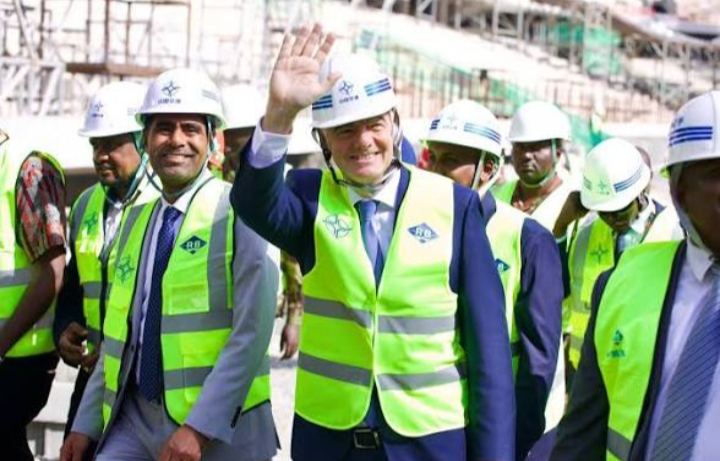
The Games arrive amid a severe debt crisis and rising living costs in Senegal. Unreported debt from the previous administration has left the government with limited public‑spending capacity, fueling protests over layoffs and price hikes. Many Senegalese interviewees said they are prioritising making ends meet over attending the sporting events. A government‑led foundation drew criticism after announcing a contribution of 500 million CFA francs (about $854,000) to purchase 200,000 tickets for schoolchildren, with opponents questioning the source of the funds. President Faye defended the expenditure, citing the renovated sports facilities, training opportunities for youth and contracts awarded to Senegalese businesses as long‑term benefits of hosting the Games.
10/31/2026, 1:24:42 PM
views 9288
4742