Subscribe to our newsletter

Nigeria’s External Reserves Historically Peak Above $45b In Six Years
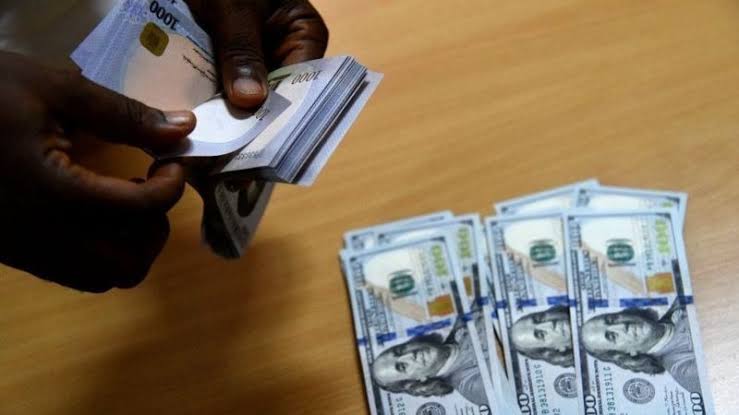
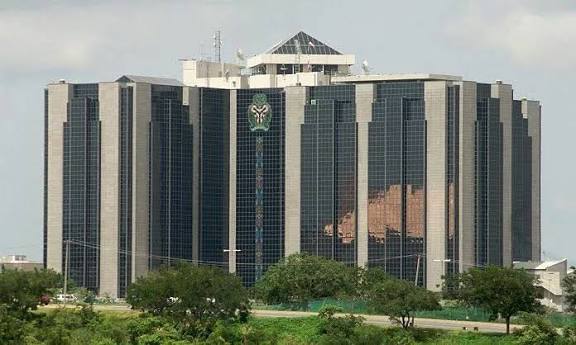
Nigeria’s external reserves have surged past the $45 billion mark, hitting their highest level in six years. According to fresh data from the Central Bank of Nigeria (CBN), the last time reserves reached this point was on July 23, 2019, when they stood at $45.04 billion. The reserves are now at $45.04 billion, rising sharply from $42.03 billion recorded on September 19, 2025—an increase of nearly $5 billion in just a few months. The growth reflects a steady and sustained accumulation rather than a short-term spike, signalling stronger foreign exchange conditions. A review of the figures shows that November opened with reserves at $43.26 billion, consistently holding above the $43 billion level. By November 18, they had risen to $44.05 billion and closed the month at $44.67 billion—one of the strongest month-end positions in recent years. The upward trend continued into December, with the reserves remaining in the $44 billion band before crossing $45 billion on December 4, indicating improved FX liquidity. The CBN had earlier announced an even higher figure. Governor Olayemi Cardoso, represented by the Deputy Governor for Economic Policy, Dr. Muhammad Abdullahi, stated at the 20th Anniversary of the Monetary Policy Department that reserves had reached $46.7 billion as of November 14, 2025—a level last attained in 2018. Cardoso attributed the milestone to renewed investor confidence, stronger oil earnings, and better balance-of-payments inflows. “Foreign reserves have risen to $46.7 billion as of November 14, 2025, providing 10.3 months of import cover. This growth is supported by sustained inflows and renewed investor participation across multiple asset classes,” he said. He added that the strengthened reserve position has played a key role in stabilising the naira, noting that the gap between the official market and Bureau de Change rates has narrowed to below two per cent. According to him, the currency’s improved performance has encouraged greater foreign participation in Nigeria’s fixed-income and money markets, with investors responding positively to clearer policy direction and tighter monetary conditions.
12/9/2025, 7:01:52 AM
views 2619
CBN Scraps Cash Deposit Limits, Raises Weekly Withdrawal Threshold
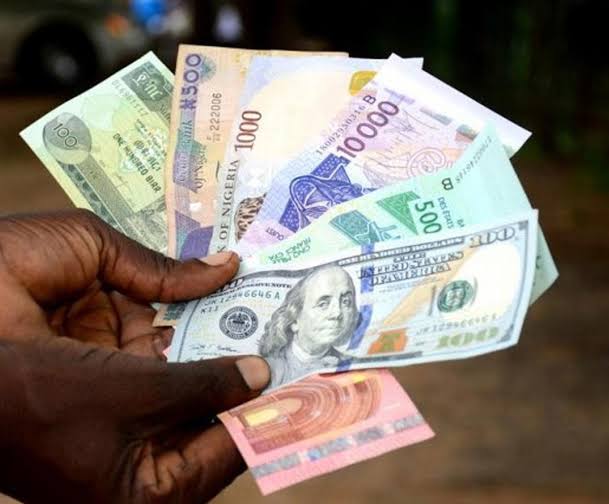
The Central Bank of Nigeria (CBN) has scrapped the cash deposit limit and increased the weekly cash withdrawal ceiling across all channels to N500,000, up from N100,000. The policy update was contained in a circular titled *“Revised Cash-Related Policies”*, signed by Dr. Rita Sike, Director of the Financial Policy & Regulation Department. According to the CBN, the adjustments are part of efforts to reduce the rising cost of cash management, tackle security concerns, and limit money-laundering risks linked to Nigeria’s high cash usage. The bank explained that earlier cash-related policies were introduced to discourage excessive cash transactions and promote electronic payments but needed to be streamlined to suit current realities. Effective January 1, 2026, several major changes will take effect. The cumulative cash deposit limit has been eliminated, and charges on excess deposits have been discontinued. The circular also revealed that the weekly withdrawal limit across all channels has been reviewed to N500,000 for individuals and N5 million for corporate bodies. Withdrawals above these limits will attract excess withdrawal fees as outlined in the circular. Additionally, the special monthly approval that previously allowed individuals to withdraw N5 million and corporates N10 million once a month has been cancelled. For ATMs, the daily withdrawal limit remains N100,000 per customer and N500,000 per week, forming part of the overall weekly limit for all channels, including POS transactions. The CBN added that withdrawals above the approved limits will attract charges of 3% for individuals and 5% for corporates, shared between the CBN and the operating bank in a 40:60 ratio. Banks have been instructed to load all currency denominations in their ATMs, while the N100,000 cap on over-the-counter encashment of third-party cheques remains unchanged and will count toward the weekly withdrawal limit. Furthermore, banks are required to submit monthly returns to the relevant supervisory departments, including Banking Supervision, Other Financial Institutions Supervision, and the Payments System Supervision Departments. The CBN clarified that accounts used for revenue collection by federal, state, and local governments, as well as accounts belonging to microfinance and primary mortgage banks held in commercial and non-interest banks, are exempt from the new withdrawal and fee rules. However, exemptions previously granted to embassies, diplomatic missions, and donor agencies have been withdrawn.
12/3/2025, 12:43:55 PM
views 5897
Fourteen Nigerian Banks Yet To Meet CBN’s Recapitalisation Ahead Of Deadline
At least 14 Nigerian commercial banks have yet to meet the Central Bank of Nigeria’s recapitalisation threshold, even as the March 31, 2026 deadline draws nearer. This comes after CBN Governor, Olayemi Cardoso, announced on Tuesday that 16 banks have already complied with the recapitalisation requirement ahead of the apex bank’s deadline. According to details obtained by WAFFI TV, Cardoso made the disclosure in a statement issued after the 303rd meeting of the Monetary Policy Committee in Abuja. He noted that the progress recorded so far reflects the overall soundness and stability of the nation’s financial system. Meanwhile, the MPC has been urged by industry stakeholders to ensure a smooth and effective implementation of the recapitalisation exercise. “The committee noted with satisfaction the sustained resilience of the banking system, with most financial soundness indicators remaining within regulatory thresholds,” Cardoso said. “Acknowledged the substantial progress in the ongoing recapitalisation programme, with 16 banks achieving full compliance with the revised capital requirements. “The committee thus urged the Bank to ensure a successful implementation and conclusion of the programme, among other domestic developments,” Cardoso said. This indicates that two more Nigerian banks have, in the past two months, joined the list of institutions that have met the Central Bank’s recapitalisation requirement. It will be recalled that during the 302nd MPC meeting, Cardoso announced that only 14 banks had met the recapitalisation threshold at the time. CBN records for 2024 show that Nigeria has 13 commercial banks, five merchant banks and seven financial holding companies. Earlier reports revealed that Access Bank, Zenith Bank, GTBank, Wema Bank, Jaiz Bank, Stanbic IBTC and several others have already fulfilled the CBN’s recapitalisation mandate. In March, the apex bank directed commercial banks with international licences to raise their capital base to N500 billion, while those operating with national licences are required to increase theirs to N200 billion.
11/27/2025, 12:42:12 PM
views 3232
Nigeria’s External Reserves Rises To $46bn, Highest In 7 Years
The Governor of the Central Bank of Nigeria (CBN), Mr. Yemi Cardoso, announced yesterday that Nigeria’s external reserves have climbed to $46.7 billion — the highest level recorded in seven years, since 2018. Cardoso made the disclosure in Abuja at the opening of the Monetary Policy Department’s 20th anniversary colloquium, noting that the current reserves can cover more than 10 months of imports. Represented by the Deputy Governor (Policy), Dr. Mohammed Abdullahi, Cardoso stated: “Nigeria’s foreign reserves have risen to $46.7 billion as of November 14, 2025, providing 10.3 months of import cover for goods and services. This growth is driven by sustained inflows and renewed investor interest across multiple asset classes. The accretion reflects investor confidence in our policies, resulting in improved oil revenues, a stronger balance of payments position, and increasing foreign portfolio inflows.” Represented by Dr. Mohammed Abdullahi, the Deputy Governor (Policy), the CBN Governor, in an address, said, “Foreign reserves have risen to $46.7 billion as of November 14, 2025, providing 10.3 months of import cover in goods and services, supported by sustained inflows and renewed investor participation across various asset classes. This accretion reflects investor confidence in our policies leading to improved oil receipts, stronger balance of payments, and renewed foreign portfolio inflows. “On the back of this confidence, all the three top international ratings agencies upgraded Nigeria, with the latest by S&P Global Ratings, which revised our sovereign outlook from stable to positive. This recognition reflects the impact of sustained reforms that have placed our economy on a more resilient path.” He added that, “The past two years have been transformative for the Nigerian economy, driven by bold reforms and decisive actions that have restored confidence and laid the foundation for long-term stability. Inflation has moderated significantly to 16.05 per cent as of October 2025, from a peak of 34.6 per cent in November 2024, marking seven consecutive months of disinflation, the lowest in three years. Core inflation has also begun to soften, suggesting that the cumulative impact of tight policy settings is transmitting through the economy. “The exchange rate has stabilized with the naira continuing to strengthen, while the spread between the official and Bureau de Change rates are below 2 percent. This stability has restored investor confidence and reduced uncertainty for households and firms.” Mr. Cardoso, said monetary authorities faced persistent pressures, exchange rate volatility and structural imbalances compounded by external shocks such as geopolitical tensions and commodity price swings, describing them as “realities demand continuous reassessment of our monetary policy framework.”
11/19/2025, 7:11:38 AM
views 5293
Install WAFFITV