2027: Obi Vows To Cut Governance Costs, Tackle Corruption
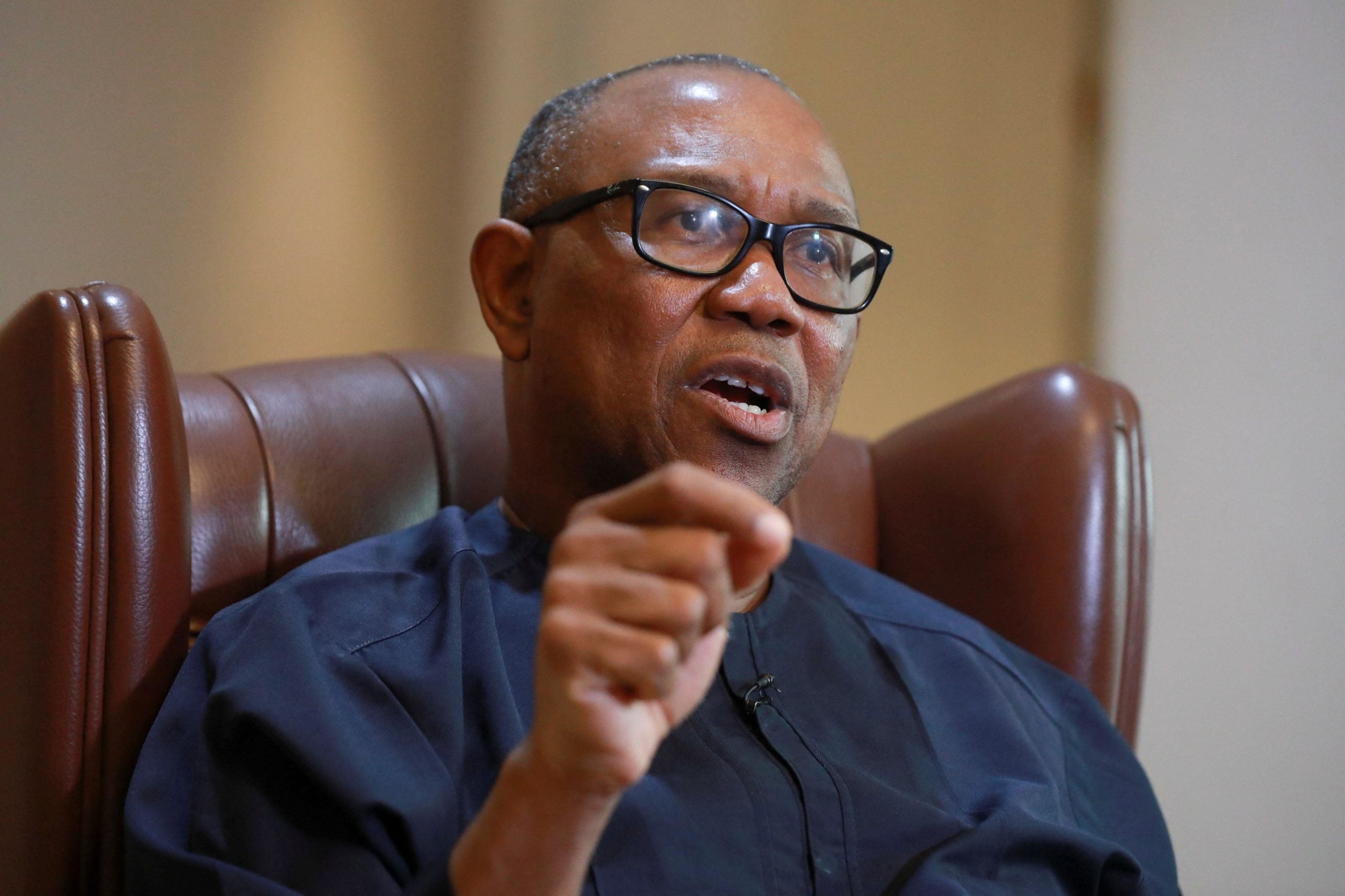
Presidential candidate Peter Obi has said Nigeria can ease its cost-of-living crisis by reducing government spending and tackling corruption, as politicians intensify their campaigns ahead of the January elections.
Obi, a former governor of Anambra State, made the remarks in an interview with AFP on Tuesday evening in Abuja. He said the economy and security would be among the major issues shaping the election.
“We need to cut the cost of governance,” Obi said, stressing the need to “fight corruption.” He argued that reducing waste and corruption would free up resources for the government to invest more in healthcare, education and poverty reduction.
“You unite the country, secure the country, and put your resources in these critical areas. And you will see the difference,” he said.
However, analysts say implementing such measures could prove difficult after years of corruption have become entrenched in various aspects of Nigeria’s institutions, including the military and public services.
At 65, Obi remains particularly popular among young Nigerians but would enter the race as an opposition outsider. President Bola Tinubu’s All Progressives Congress controls 31 of the country’s 36 governorships and has a significantly stronger political structure than Obi’s Nigeria Democratic Congress.
**Violence, poverty linked**
Security remains a major component of Obi’s campaign, with the former governor linking the country’s high crime rate to widespread poverty.
During his interview with AFP, the heavy security measures at his Abuja hotel — including vehicle checks, electric fencing and metal detectors — reflected the broader security challenges confronting the country.
Obi said reducing poverty would also help tackle criminality, while calling for greater investment in manufacturing to create jobs.
“The more you pull people out of poverty, the more you reduce criminality,” he said.
According to World Bank figures, manufacturing’s contribution to Nigeria’s GDP has declined sharply, from a peak of 21 percent in 1994 to eight percent in 2025.
Nigeria is grappling with persistent economic hardship, with the IMF estimating that 63 percent of its population lives below the poverty line. The country is also battling multiple security threats, including jihadist insurgencies, criminal gangs, separatist violence and conflicts between farmers and herders over land.
While these challenges existed before Tinubu, 74, assumed office, critics say they have worsened during his administration.
Tinubu is seeking re-election after implementing economic reforms that experts have largely praised. However, the removal of the petrol subsidy has triggered a sharp rise in living costs, as the subsidy had previously helped keep fuel prices and, indirectly, the cost of other goods and services lower.
Tinubu has defended the reforms, arguing that ending the costly subsidy was necessary to prevent an even deeper economic crisis.
9/9/2026, 2:41:44 PM
views 7261
1825