Subscribe to our newsletter

U.S. Secretary of State Rubio Says Trump Supports Poland’s Return to G20 Table
Atlanta, USA, November 1 (ANI) – U.S. Secretary of State Marco Rubio told reporters that President Donald Trump "strongly believes" Poland deserves a seat at the G20 table and that Washington hopes to see the country invited back to the summit next year. Rubio made the remarks at the close of the G20 Foreign Ministers’ Meeting in Georgia, praising the Polish delegation for its "stellar economic growth and military modernisation" and linking Poland’s rising geopolitical stature to core American strategic interests. Rubio emphasized that the United States backs Warsaw’s continued participation in future G20 dialogues, but he did not announce any official changes to the forum’s composition or grant Poland permanent membership. He noted that the president’s support also extends to other "strong nations on the rise," though he did not name specific countries or outline eligibility criteria. Highlighting Poland’s domestic progress, Rubio said the country’s advances in commercial sectors and national security stem from a focus on citizens’ welfare and sovereignty. "They are stronger; they are more robust as a nation, and America as an ally and a partner of Poland is therefore stronger as well," he said. The endorsement came during a briefing that summarized the Atlanta gathering and the logistical preparations for the upcoming G20 Leaders’ Summit in Florida, scheduled for December. Rubio said the American host presidency has deliberately centered the forum on core financial stability and economic priorities. The foreign ministers’ discussions covered a range of global challenges, including energy resilience, technological innovation, supply‑chain continuity and freedom of maritime transit. Rubio described these issues as "complex, interdependent policy challenges" that require multilateral cooperation, even when member states disagree on causes or solutions. He praised the active engagement of all invited participants and thanked Cabinet colleagues who had led previous ministerial meetings. Rubio described the December summit, to be chaired by President Trump, as the culmination of the administration’s multilateral diplomatic agenda, while acknowledging persistent diplomatic obstacles and limits to formal consensus among delegates. Delegates universally recognised serious vulnerabilities affecting agricultural food supplies, access to critical minerals and maritime navigation, but a unified global approach remained elusive. Rubio noted that identifying shared vulnerabilities is a prerequisite for joint action and that several like‑minded governments are already coordinating policies on supply‑chain security and raw‑material access. When asked about the economic returns generated by the G20’s work, Rubio cautioned against expecting immediate financial breakthroughs. He explained that high‑level multilateral discussions address structural challenges—such as long‑term energy pricing and access to advanced technology inputs—that shape economic output over decades. Established in 1999 and elevated to leaders’ summits in 2008, the G20 brings together 19 countries, the European Union and the African Union. Rotating presidencies routinely invite selected countries to individual meetings; such temporary participation does not confer permanent membership. (ANI)
11/1/2026, 12:47:24 AM
views 3793
Former Speaker Yakubu Dogara Says Nigeria’s Insecurity Predates Tinubu Administration
Former Speaker of the House of Representatives, Rt. Hon. Yakubu Dogara, told graduates at Achievers University’s 16th convocation that Nigeria’s security woes are not a creation of President Bola Tinubu’s administration. Speaking as the university’s chancellor, Dogara emphasized that terrorism, insurgency, banditry, kidnapping and communal violence have been entrenched in the country long before Tinubu took office in May 2023. Dogara attributed the persistence of insecurity to a combination of porous borders, the unchecked flow of illegal arms, high youth unemployment and the spread of extremist ideologies. “Insecurity in Nigeria did not begin with this administration. This is no excuse, because the facts need no defence. Terrorism, insurgency, banditry, kidnapping and communal violence did not arrive in 2023,” he said, stressing that the challenges had developed over several years. He acknowledged that President Tinubu has consistently highlighted national security as a core responsibility of his government, but warned that the deep‑rooted nature of the problem requires more than rhetoric. Dogara concluded by congratulating the 836 graduating students, urging them to apply their talents, creativity and innovation to help address the nation’s difficulties. The ceremony also featured remarks from Pro‑Chancellor Prof. Bode Ayorinde, who praised the expansion of tertiary education in Nigeria but expressed concern over graduates’ prospects. Citing National Universities Commission data, Ayorinde noted that as of June 2026 the country had 312 universities – 77 federal, 67 state‑owned and 168 private – representing a massive investment in human capital. He questioned what opportunities would await the new graduates in a challenging job market. Vice‑Chancellor Prof. Omolola Irinoye reaffirmed the university’s commitment to delivering quality education that blends intellectual development, practical skills, character building and social responsibility since its founding. The convocation thus combined celebration of academic achievement with a sober reflection on the nation’s security and economic challenges.
10/31/2026, 11:16:19 PM
views 3186
Nigeria’s 2027 elections face funding crunch as US democracy assistance wanes, civil society warns
Dauda Garuba, director of the Centre for Democracy and Development (CDD West Africa), says the recent shift in United States foreign policy marks a broader change that could jeopardise Nigeria’s upcoming 2027 elections. He cautions that years of international investment have not yielded commensurate results, prompting an uncomfortable assessment of the country’s democratic progress. Garuba’s remarks echo those of Bukola Idowu, executive director of the Kimpact Development Initiative (KDI). Idowu warns that reduced American support threatens the ability of civic groups to monitor elections and demand accountability, affecting not only budgets but also the technical cooperation, institutional learning and cross‑border collaboration that have underpinned Nigeria’s electoral observation efforts. American partnerships over the past decade have helped establish observation systems, train practitioners and expand public scrutiny of elections. Agencies such as the National Democratic Institute (NDI), the International Republican Institute (IRI) and the International Foundation for Electoral Systems (IFES) have worked with Nigerian NGOs, political parties and electoral authorities, providing both financial and technical assistance that built lasting skills and methodologies. The policy shift began early in President Donald Trump’s second term. On 20 January 2025, Trump ordered a 90‑day pause on new foreign development obligations pending a review, directing agencies to decide which programs should continue, be altered or end. Idowu describes the ensuing decline in democracy assistance as the most significant difference from the 2019 and 2023 election cycles. Garuba links the cutbacks to the populist agenda articulated during Trump’s campaign and a wider international turn toward nationalist policies, rather than to any specific dispute between Abuja and Washington over security or counter‑terrorism. He notes that the United States’ support enabled CDD to combat misinformation, deepfakes and hate speech through fact‑checking initiatives and training for the National Orientation Agency, helping to defuse false narratives that could spark conflict. KDI’s collaboration with IFES, for example, involved monitoring threats to voters before election day, mapping risk areas, and using a mobile application to collect and verify incident reports quickly. The partnership also extended to electoral justice, supporting post‑election litigation and strengthening the judiciary’s role in safeguarding electoral integrity. Historical cooperation includes Project Swift Count before the 2011 elections, a joint effort that combined statistical sampling with mobile phone reporting to provide an independent benchmark for official results. By 2015, the Transition Monitoring Group, a coalition of over 400 organisations, deployed more than 4,000 observers and used a representative sample of 1,507 polling units for a parallel vote tabulation that contributed to Nigeria’s first peaceful presidential transfer between parties. In 2019, NDI‑supported citizen observation saw Yiaga Africa deploy 3,030 observers across 1,515 polling units, transmitting 33,000 coded text messages and generating nearly 550,000 data points. The 2023 elections, however, exposed persistent logistical, technological and communication failures, political violence and instances of vote manipulation, with participation falling to just 27 percent of registered voters. Ugochukwu James Okpe, regional general secretary of the West African Civil Society Forum, highlights the indigenous "Situation Room" coalition, established in 2010, as a Nigerian‑led initiative that pools information, assesses developments and coordinates rapid responses to electoral problems. He argues that the expertise accumulated through years of international assistance now resides in local hands and must be leveraged despite shrinking external funding. Idowu says Nigerian organisations are adapting by strengthening local partnerships, exploring alternative financing and continuing cooperation where possible—for instance, NDI’s assistance to Yiaga during Anambra’s 2025 governorship election under an EU‑funded programme. Nonetheless, he warns that the reduction in US support comes at a time when democracy across West Africa faces military coups, restrictions on civic activity and declining public confidence. The CDD’s recent analysis stresses that citizens judge democracy not only by the credibility of the vote but also by security, opportunity, public services and accountable institutions. While the technical skills developed through decades of cooperation remain in Nigerian hands, whether they can be deployed at the scale required for a credible 2027 election—and whether they will translate into substantive reform—remains an open question.
10/31/2026, 5:11:57 PM
views 7585
Christian Association of Nigeria urges review of 14‑year prison sentence for Borno woman
The Christian Association of Nigeria (CAN) has called for a review of the 14‑year prison term imposed on Lami Samuel Dawa in Borno State, arguing that the case raises serious questions about religious freedom and constitutional rights. CAN President Archbishop Daniel Okoh said in a statement on Saturday that an appeal has been filed against the conviction and that the association will monitor the case while urging authorities to protect the rights of all parties involved. Dawa was sentenced by a Borno State High Court on May 5, 2026, on the charge of depriving a parent of lawful custody of his child. Four co‑defendants were discharged and acquitted. Ephraim Yidawi, chairman of the Maiduguri branch of the Christian Lawyers Fellowship of Nigeria, cautioned against portraying the case as a simple punishment for preaching or converting a child. He explained that the prosecution alleged conspiracy to abduct a child, enticing the child to leave parental custody, removing the child from her parents, depriving her of education and interfering with her religious practice. The court, however, convicted Dawa only on the custody‑deprivation charge. The Christian Lawyers Fellowship confirmed that an appeal has been lodged, and the Pentecostal Fellowship of Nigeria also urged Christians to refrain from drawing conclusions before the court proceedings are fully examined. CAN reiterated its commitment to peaceful coexistence among Nigerians of different faiths and called on relevant authorities to ensure that justice is delivered in accordance with the Constitution and the law. The appeal will proceed through the judicial system, and CAN said it will continue to engage the appropriate authorities through legal and institutional channels while monitoring further developments.
10/31/2026, 5:11:52 PM
views 4580
ADC Presidential Candidate Atiku Abubakar Condemns Attacks on AAC Candidate Omoyele Sowore and ADC Gubernatorial Candidate in Sokoto
ADC presidential candidate Atiku Abubakar used his X account on Saturday to condemn recent attacks on two opposition figures: Omoyele Sowore, the presidential candidate of the African Action Congress (AAC), and Manir Muhammad Dan'iya, the ADC governorship candidate in Sokoto State. Atiku described the assaults as a dangerous threat to Nigeria’s democracy and accused the ruling All Progressives Congress (APC) of seeking to oppress and intimidate opposition leaders and their supporters. In his statement, Atiku warned that President Bola Tinubu’s administration has created an atmosphere in which opposition candidates are no longer safe, suggesting the country is drifting toward dictatorship. He called for immediate and transparent investigations into both attacks and urged President Tinubu to order his supporters to maintain order. "The simultaneous attacks on the presidential candidate of the African Action Congress (AAC), Omoyele Sowore @sowore, and the governorship candidate of the African Democratic Congress (ADC) in Sokoto State, His Excellency Manir Muhammad Dan'iya, are deeply troubling and unacceptable," Atiku wrote. "These twin assaults expose the extent to which the ruling APC administration is prepared to oppress and intimidate opposition leaders and their supporters." He added that it was "particularly disturbing that while President Bola Tinubu is away on spiritual pilgrimage, political enforcers and thugs loyal to his party are unleashing terror on his political opponents at home." Atiku said these realities cannot coexist in a democracy and warned that the "unexplained disappearance of critical social media influencers" and continued attacks are red flags of a slide toward a censored state. Atiku also claimed to have "good authority" that a local security outfit in Sokoto State has been harassing ADC supporters, manhandling citizens simply for wearing ADC merchandise. He concluded by stating that the ruling APC has failed its mandate and that Nigerians must be allowed to freely participate in an electoral contest that will determine the fate of the current administration.
10/31/2026, 3:10:28 PM
views 2248
Rivers State Governorship Candidates Sign 13‑Point Charter as Police Urge Calm Ahead of 2027 Election
Five of the 19 candidates contesting the 2027 governorship election in Rivers State signed a 13‑point Citizens' Charter of Demands on Friday in Port Harcourt, pledging stronger economic growth and accountable governance. The charter was presented at the seventh edition of the "Rivers We Want" town‑hall series, organized by the Rivers Peace Initiative (RPI) in partnership with Super 93.3 FM, the Centre for Peace and Security Studies at the University of Port Harcourt, and supported by the Trade Union Congress. The signatories were Ben‑Gurion John Peter (Social Democratic Party), Ivy West (African Action Congress), Gabriel Pidomson (African Democratic Congress), Nature Dumale Kieghe (Peoples Redemption Party) and Minaibim Harry (National Rescue Movement). Notably absent were Kingsley Chinda of the All Progressives Congress and Dumo Lulu‑Briggs of the Nigeria Democratic Congress. Obinna Ebogidi, convener of RPI, urged all candidates to move beyond campaign promises and address the charter’s priorities, which were shaped by workers, civil‑society groups, party leaders and ordinary residents. He emphasized that the town‑hall was not a platform to select a candidate but to allow citizens to interrogate candidates’ plans and later assess performance. "This is not an attempt to choose a candidate for the people. It is an effort to ensure that the people have a meaningful place in the choices before them," Ebogidi said. Ebogidi stressed that the true measure of Rivers State’s wealth lies in the quality of education, healthcare, youth opportunities, community safety, responsible resource management and dignified citizenship, rather than merely its oil reserves and waterways. He called on all candidates, including those who did not attend, to engage with the charter "in the spirit of openness, sincerity and service" and warned that durable peace requires justice, inclusion and institutions that give every citizen confidence that their voice matters. Blessing Agabe, police public relations officer for the Rivers State Police Command, appealed to political actors to prioritise peace, tolerance and responsible conduct throughout the election period. "An election is not a war and political opponents are not your enemies. No political ambition is worth the loss of a single life," she said, urging youths to reject involvement in political violence, thuggery or electoral malpractice. Nnanna Onyekwere, chairman of the Inter‑Party Advisory Council (IPAC) in Rivers State, clarified that IPAC does not endorse any individual candidate, stating that the council’s role is to remain neutral while parties may form alliances. Among the candidates, Gabriel Pidomson (ADC) highlighted his economic blueprint presented at a Business Day event, which calls for a shift from dependence on oil revenue to production, industrialisation and job creation. He warned that despite the state’s strategic assets, unemployment, poverty, inadequate infrastructure and environmental degradation persist. Ivy West (AAC), the sole female candidate, outlined a 12‑point development agenda focused on peace, job creation, security and social welfare, envisioning Rivers State as a smart, green, industrial city that leaves no segment of society behind.
10/31/2026, 2:09:45 PM
views 7268
Ekiti Police Arrest 11 Suspects Linked to Attack on AAC Presidential Aspirant Omoyele Sowore
Ekiti State Command of the Nigeria Police Force announced on Saturday that it had arrested 11 suspects in connection with the attack on African Action Congress (AAC) presidential aspirant Omoyele Sowore and members of his team at a restaurant in Ado‑Ekiti, the state capital. The arrests were carried out around 10 p.m. on Friday after a tip‑off, when operatives of the Rapid Response Squad raided hideouts in the Atikankan area of the town. The command’s Public Relations Officer, Abutu Sunday, released a statement detailing the operation and the identities of those taken into custody. The suspects were identified as Joseph Tayo, 32; Olatunji Abayomi, 41; Isaac Amba, 22; Kehinde Ajigbana, 18; Tosin David, 18; Solomon Iyanu, 18; Ogunsola Ayomide, 21; Ojo Ayodeji, 22; Kayode Dada, 32; Segun Olatunji, 28; and Salami Emmanuel, 53. Items recovered from the suspects included two walkie‑talkies, substances suspected to be Indian hemp and "Colorado", two Indian hemp crushers, a pack of Rizla, seven ATM cards, 13 mobile phones, two vehicle keys, a flash drive, an MTN 5G Wi‑Fi device, identity cards, eight international passports, three complimentary cards, two suspected criminal charms, a gas lighter and ₦250. Police said investigations remain ongoing to establish each suspect’s individual role and to determine any possible links to the attack. Commissioner of Police Falade Michael assured residents that "the command will leave no stone unturned in ensuring that all those found culpable are brought to justice." Reacting to the arrests, Sowore posted on X, describing the incident as a coordinated assault rather than a simple disagreement. He warned that arresting 11 suspects would not be sufficient if those who planned, financed, coordinated and facilitated the attack were allowed to go free. Sowore also alleged that some of the attackers were associated with the City Boys group and called for an investigation into possible connections between the incident and officials of the Ekiti State government. He urged Commissioner Michael and the Department of State Services to preserve and release CCTV footage from the scene to aid identification, and demanded an explanation for the police’s initial description of the incident as an altercation.
10/31/2026, 1:58:54 PM
views 4596
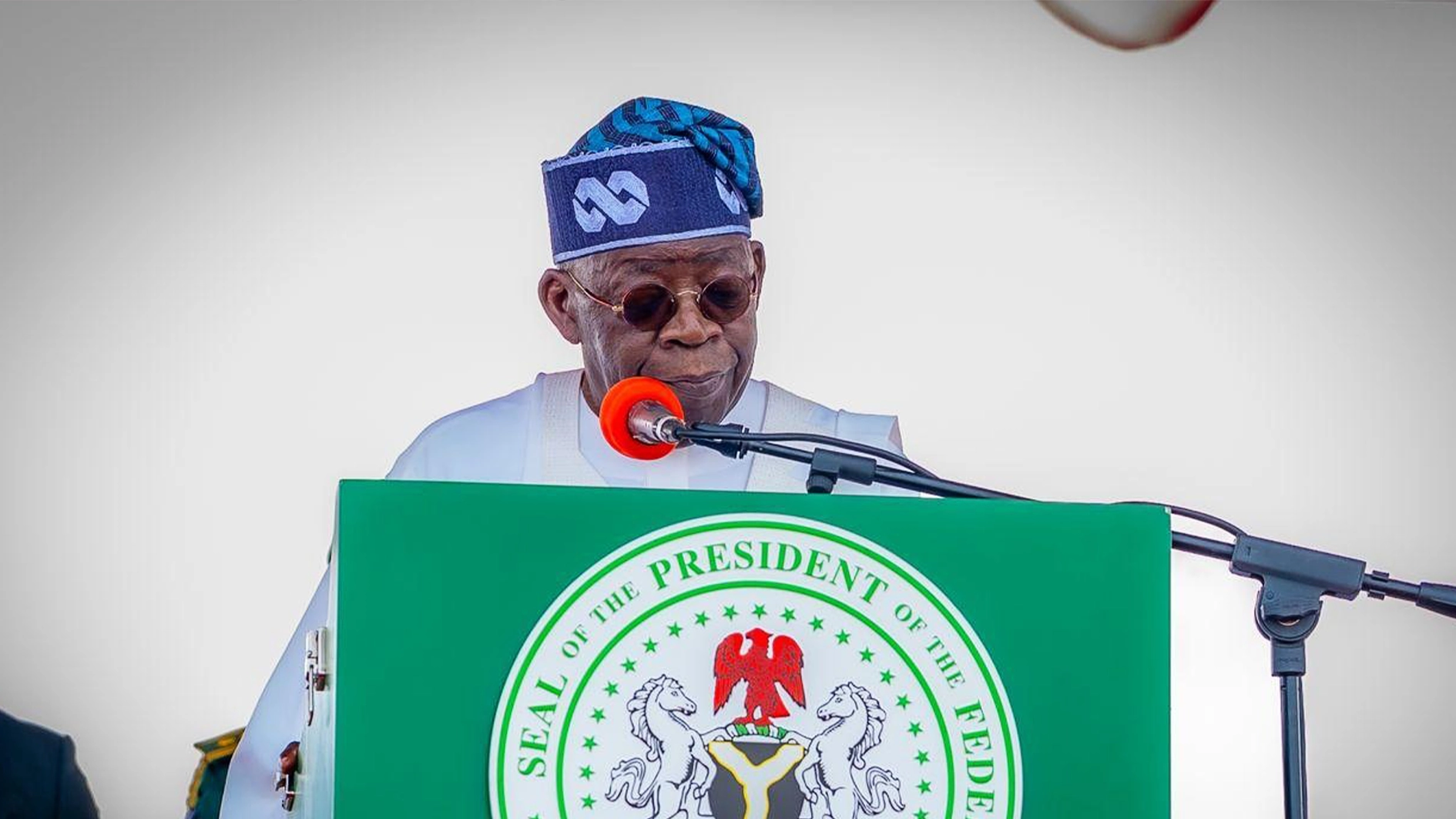
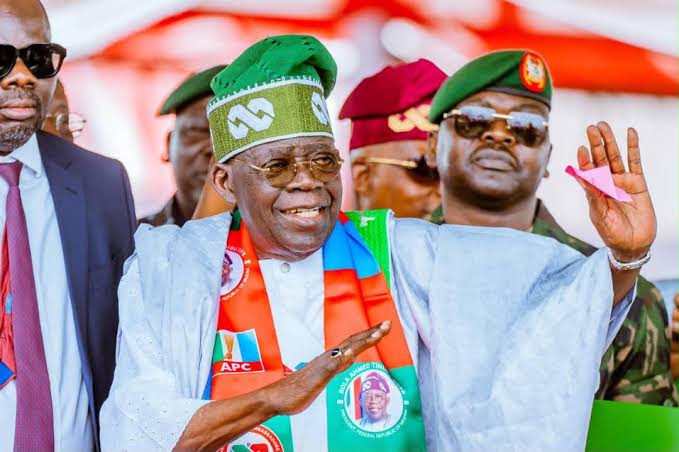
President Tinubu says anti‑corruption fight must be judged by results, not publicity
President Bola Ahmed Tinubu declared that his administration's anti‑corruption campaign will be measured by concrete outcomes rather than media attention, stressing that stronger institutions, effective law enforcement and international cooperation are essential to restoring confidence in Nigeria. The remarks followed a commendation from the United States Federal Bureau of Investigation (FBI) for the Economic and Financial Crimes Commission (EFCC). In a letter addressed to EFCC Chairman Ola Olukoyede, FBI Director Kash Patel praised the commission’s role in Operation Artemis, a joint investigation targeting international criminal syndicates that exploit children. The operation led to the arrest and extradition of two Nigerian suspects, Adebola Festus Adekunle and Mudasiru Afeez Olawale, in August 2026; both now face federal charges in the United States. A statement issued by the President’s Special Adviser on Information and Strategy, Bayo Onanuga, said the FBI’s recognition reflected the institutional effectiveness Tinubu’s government aims to promote nationwide. Tinubu warned that Nigeria must never become a haven for criminals who exploit innocent people, whether at home or abroad, and pledged continued support for security and anti‑corruption agencies to pursue offenders and bring them to justice. Tinubu also highlighted recent milestones that he said demonstrate progress in strengthening Nigeria’s financial integrity. He cited the country’s removal from the Financial Action Task Force (FATF) grey list in October 2025 and its removal from the European Union’s high‑risk financial jurisdictions list in January 2026 as evidence that international confidence in Nigeria’s financial system is being restored. The President praised the professionalism of the EFCC’s leadership and staff, describing the successful collaboration with the FBI as a model of the institutional performance he intends to replicate across the nation. He urged the EFCC and other law‑enforcement bodies to sustain their efforts against financial and related crimes, assuring them of ongoing government backing to protect Nigerians, enhance accountability and solidify the country’s standing with international partners.
10/31/2026, 1:58:49 PM
views 4362
President Tinubu pledges intensified crackdown on cybercrime, declares Nigeria will not be a safe haven for offenders
President Bola Tinubu reaffirmed his administration's resolve to combat cybercrime and transnational criminal networks, warning that Nigeria will not serve as a refuge for individuals who exploit innocent victims. His remarks followed commendation from FBI Director Kash Patel, who praised the Economic and Financial Crimes Commission (EFCC) for its role in the arrest and extradition of two Nigerian nationals, Adebola Festus Adekunle and Mudasiru Afeez Olawale. The suspects were detained and handed over to the United States in August 2026 after a joint investigation under Operation Artemis, which targeted criminal networks involved in the sexual exploitation and extortion of children. In a letter addressed to EFCC Chairman Ola Olukoyede, Patel described the commission's cooperation as "critical to the success of the operation" and stated, "The successful outcome of these cases would not have been possible without your assistance and dedication to international law‑enforcement collaboration." President Tinubu responded by lauding the EFCC for its professionalism and commitment to international cooperation, saying the recognition evidences the growing capacity of Nigeria's law‑enforcement institutions to combat cross‑border crimes. He added, "This is the kind of institutional performance we are determined to build across our country. I commend the EFCC Chairman and his team for their professionalism and dedication. Nigeria must never become a haven for criminals who exploit innocent people, whether at home or abroad. Our law‑enforcement and anti‑corruption institutions have my full support to pursue offenders and bring them to justice in accordance with the law." Tinubu stressed that the fight against corruption and financial crimes must be measured by tangible results rather than publicity, emphasizing the need for strong institutions, effective enforcement, and international partnerships. He cited Nigeria's removal from the Financial Action Task Force (FATF) grey list in October 2025 and its removal from the European Union's high‑risk financial jurisdictions list in January 2026 as proof of progress in strengthening the country's financial integrity framework. According to the president, these milestones reflect his administration's commitment to restoring international confidence, protecting legitimate businesses and creating a secure environment for investment. Finally, Tinubu urged the EFCC and other law‑enforcement agencies to sustain the momentum, assuring them of continued presidential support in tackling financial crimes, protecting citizens and enhancing Nigeria's credibility among international partners.
10/31/2026, 1:58:46 PM
views 8432
2027: David Mark Urges ECOWAS To Warn FG, INEC Against Crisis
The National Chairman of the African Democratic Congress (ADC), Senator David Mark, has called on the Economic Community of West African States (ECOWAS) to caution the Federal Government and the Independent National Electoral Commission (INEC) against actions that could trigger a crisis ahead of the 2027 general elections. Mark made the appeal on Thursday in Abuja while receiving an ECOWAS delegation on a pre-election fact-finding mission. He emphasised that credible elections in Nigeria were vital to maintaining peace and stability across the West African region. In a statement issued by the ADC National Publicity Secretary, Mallam Bolaji Abdullahi, the party said it had expressed concerns over INEC’s level of preparedness, alleged government influence over state institutions, including the judiciary, and threats of violence it attributed to the ruling party. Mark stressed that conducting free, fair and transparent elections remained a crucial step towards preventing electoral violence and conflict. “The best way to prevent conflict, especially in relation to elections, is to ensure that it is free, fair and transparent,” he said. He urged ECOWAS to support the ADC in calling on Nigerian authorities to guarantee a credible electoral process ahead of the 2027 polls. Mark said the ADC was committed to maintaining peace throughout the electoral process but called for regional support to ensure that the elections met acceptable democratic standards. “We in the ADC have committed ourselves to the highest standards of peaceful conducts before, during and after the elections. But we need ECOWAS to join us in insisting on a credible election now. “This is why you must tell the Federal Government and the INEC that they must not do anything that could plunge Nigeria into needless crisis. This must form a part of your early warning signals,” he said. Responding, the Head of Mission and former Vice-President of Sierra Leone, Mr Victor Bockarie Foh, said the delegation would convey the ADC’s concerns, alongside submissions from other stakeholders, to the regional organisation. Foh explained that the mission was assessing Nigeria’s preparedness for the 2027 general elections and the prevailing political atmosphere ahead of the polls. He noted that peace and stability in Nigeria were essential to the wider West African region, given the country’s strategic importance. Other members of the ECOWAS delegation included Francess Piage Alghali, Commissioner for Political Affairs, Peace and Security; Julius Fofanah Sandy, representing the ECOWAS Permanent Representatives’ Committee; and Segrine Mamadou, Head of the Electoral Assistance Division.
10/29/2026, 6:36:40 PM
views 4443
Install WAFFITV