Only 77 Days to 2027 Elections: Parties Clash Over INEC’s Voter Register Irregularities
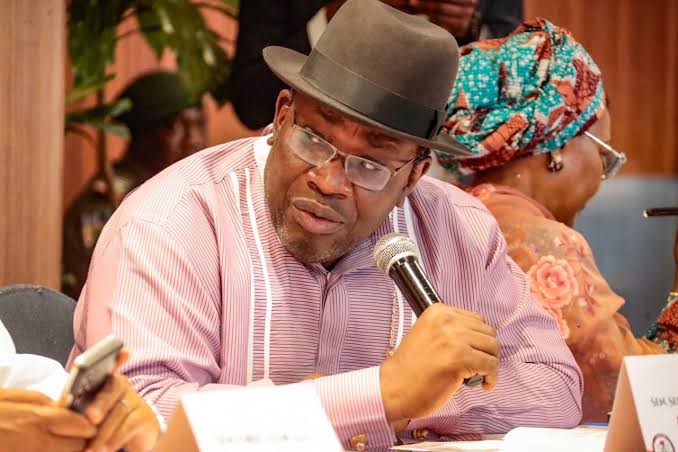
With just 77 days left before Nigeria’s 2027 general elections, the Independent National Electoral Commission (INEC) is under intense scrutiny after artificial‑intelligence‑generated photographs were discovered in its preliminary voters’ register. The register, uploaded on 26 October 2026, lists more than 103.4 million registered voters – an increase from the 93 million recorded in the 2023 register, reflecting continuous voter registration drives. INEC’s Director of Information and Communication Technology, Dr Lawrence Bayode, confirmed that some registration officers allegedly used official login credentials to insert irregular entries, including AI‑generated faces, questionable names, addresses, genders and photographs. He said the commission had identified the responsible officers and was taking corrective action, noting that its Automated Biometric Identification System (ABIS) had already flagged several dubious images before the preliminary register’s release.
In response, Sunday Vanguard interviewed officials from several political parties to gauge their reactions. The Labour Party (LP) expressed alarm, with National Publicity Secretary Ken Asogwa stating that the issue moved beyond rumor after INEC’s admission. “This is quite concerning… it is happening with less than 90 days to a crucial election,” Asogwa said, urging INEC to return to the drawing board and rebuild public confidence.
The Peoples Democratic Party (PDP) adopted a more measured tone. National Publicity Secretary Jungudo Haruna Mohammed acknowledged the complaints but praised INEC for owning up to the problem and committing to clean up the register. He argued that AI‑generated images are unsurprising in today’s digital age and unlikely to affect the election outcome, emphasizing that the current register is preliminary and that INEC still has time to purge questionable entries before the final version is published on 15 December 2026.
The Allied People’s Movement (APM) warned that the deployment of artificial intelligence must not undermine credible elections. National Publicity Secretary Abubakar Yusuf called for caution and responsible use of technology to ensure the 2027 polls are “acceptable, credible and verifiable.”
The Social Democratic Party (SDP) took a harsher stance, alleging that INEC’s preparations are fundamentally compromised. Campaign Council adviser Mark Adebayo claimed systematic red flags in the voter register, biometric infrastructure and logistical timelines, suggesting the presence of synthetic identities generated by generative adversarial networks. He demanded an independent digital audit, transparent BVAS testing, and a publicly verifiable list of all deleted or flagged entries.
The Action Democratic Party (ADP) echoed calls for an independent investigation. National Chairman Yabagi Yusuf Sani stressed that credibility begins with a clean voters’ register and transparent electoral preparations. He urged INEC to conduct a forensic audit, identify and sanction those responsible for the irregularities, and demonstrate measurable improvements in operational readiness.
The Nigeria Democratic Congress (NDC) highlighted another concern: the continued presence of deceased individuals on the register. NPCC spokesperson Dr Chiogo Constance Ikokwu listed prominent names such as Raymond Dokpesi, Ifeanyi Ubah, Muhammadu Buhari and Rotimi Akeredolu, urging citizens and parties to file objections so INEC can remove these entries.
INEC reported receiving over 4,800 claims and about 600 formal objections to the preliminary register, promising to address them before the final certification. Chairman Professor Joash Amupitan, SAN, disclosed the figures during a courtesy visit by the ECOWAS Pre‑Election Fact‑Finding Mission led by Victor Bockarie Foh. He said most complaints were minor corrections and that the commission had already displayed the register online for public scrutiny.
Amupitan also outlined INEC’s logistical rollout: deployment across 36 states and the Federal Capital Territory, covering 774 local government areas, 8,809 registration areas (wards) and 176,846 polling units. He noted that nine of the 14 major milestones in the revised timetable have been achieved and that zonal readiness tours have been conducted in the South‑West, North‑West, South‑East and North‑East, with the North‑Central visit scheduled for next week.
Looking ahead, INEC plans a mock accreditation in November to test the Bimodal Voter Accreditation System (BVAS) and the new electronic verification platform e EC8A, aiming to avoid the glitches that marred the 2023 elections. The commission’s ability to clean the preliminary register and demonstrate operational readiness will be crucial in restoring confidence ahead of the presidential and National Assembly elections slated for 16 January 2027, followed by governorship and State House of Assembly polls on 6 February 2027.
11/1/2026, 3:20:32 AM
views 6609
2617