Why I Accepted To Work With Peter Obi — Kwankwaso
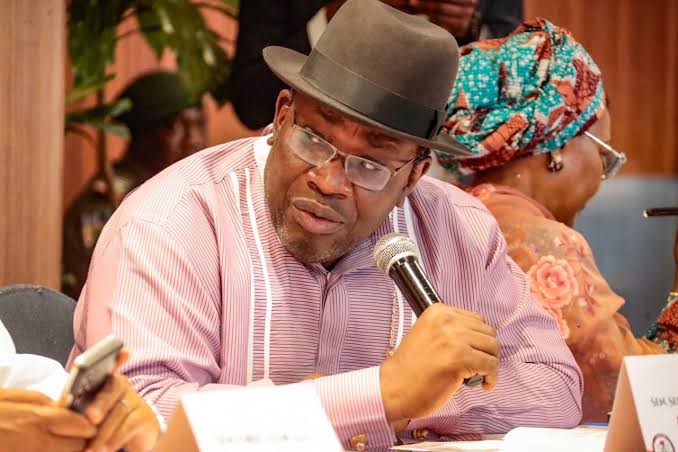
A former Governor of Kano State and leader of the Kwankwasiyya Movement, Rabiu Kwankwaso, has revealed that he and some “leadership in the north” evaluated possible political allies before choosing Peter Obi as the most suitable partner for the 2027 presidential campaign.
He also dismissed speculations of an underlying power tussle between his camp and Obi’s.
Kwankwaso made the revelation during an interview on Arise TV on Monday, giving one of his most comprehensive explanations so far on how the North-South-East political alliance within the NDC came about.
“I looked around together with our leadership in the north to say, okay, who do we think is capable? Who can come and work together with us honestly so that we can move this country? Along the line, we realised that Peter Obi is at the forefront of it. That’s why we all accepted to work together,” he said.
Kwankwaso, a two-time former governor of Kano State and the presidential candidate of the New Nigeria Peoples Party in 2023, heads the Kwankwasiyya movement, a grassroots political bloc with strong support across Kano and parts of northern Nigeria.
He exited the NNPP following internal disagreements before teaming up with Obi in the NDC earlier this month.
Obi, a former governor of Anambra State, contested the 2023 presidential election on the platform of the Labour Party and enjoyed significant backing from youths across the South and major urban centres, although he did not emerge victorious.
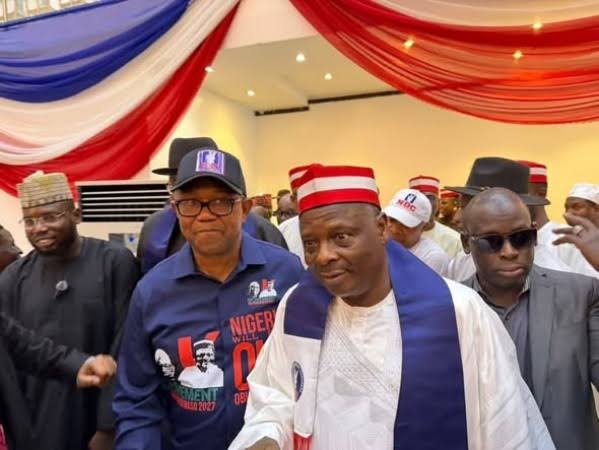
Both politicians officially joined the NDC on Sunday, May 3, after leaving the crisis-ridden African Democratic Congress.
Speaking at the party’s national convention held on Saturday in Abuja, Kwankwaso endorsed the NDC’s decision to zone its 2027 presidential ticket to the South, describing the move as one that promotes fairness, healing and national unity.
Addressing claims that the alliance may be masking a silent rivalry between both camps, Kwankwaso argued that conflicts between principals and deputies usually stem from greed rather than structural issues.
“The problem people are having, especially leaders, is that they are too greedy to the extent that they begin to have issues. There is so much to do. You don’t have to fight your deputy,” he said.
He maintained that his experience as a former deputy speaker of the House of Representatives and later governor of Kano State demonstrated that political alliances could survive difficult moments.
“I had an opportunity to work with my speaker and we worked very well. I was in Kano for eight years despite the difficulty of my then deputy governor. We were able to work for eight years amicably to the extent that I handed over to him,” he said.
Kwankwaso further extended the argument to the national level, insisting that the same principle applied in federal governance.
“In the Senate and other places, in the NDDC, we worked amicably with people. There is so much to be done and that’s why you have even ministers, other executives, advisors and so on. I don’t see from my experiences of the past why deputies or vice would fight with the president or governor,” he stated.
He also anchored the alliance on Nigeria’s political history, recalling longstanding North-South-East cooperation from the First Republic to date.
“Right from the beginning, this sort of alliance has been in existence. Now we are going back to what Tafawa Balewa did during their time,” he said.
Kwankwaso referenced the partnership between former Prime Minister Abubakar Tafawa Balewa and leaders of the NCNC, as well as the collaboration between former President Shehu Shagari and his vice president, Alex Ekwueme, during the Second Republic.
“So also in the second republic, immediately after the war, our leaders, Shagari and others, worked very closely with the southeast, with Alex Ekwueme as his vice president. They are our friends. We want to work together with them,” he said.
Kwankwaso added that later administrations gradually shifted power-sharing arrangements away from the South-East, a development he suggested the present alliance seeks to address.
“There was a change during the third republic where for many obvious reasons an election was annulled and the government under the military decided to bring in Shonekan from the South-West.
5/12/2026, 9:07:46 AM
views 9279
5274