Reps Seek Tougher Food Safety Laws, Warn Against Toxic Chemicals
The House of Representatives has called for stronger food safety legislation and stricter enforcement to protect Nigerians from toxic chemicals, contaminated food and diseases associated with unsafe food production, amid growing concerns over malnutrition and food insecurity.
The House Committee on Nutrition and Food Security said existing policies had failed to adequately address the country’s nutritional challenges, emphasising the need for enforceable laws to ensure Nigerians have access to safe, nutritious and affordable food.
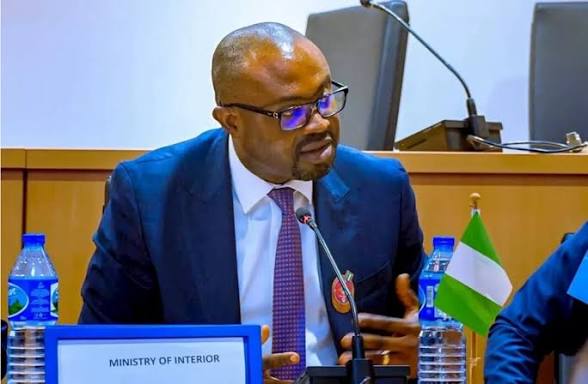
The committee’s position was presented in a speech delivered by its clerk, Dr Agenti Millicent, on behalf of its chairman, Chike Okafor, during a media briefing in Abuja on Friday to mark the 2026 World Food Day.
The event was organised by the Centre for Food Safety and Agriculture Research in collaboration with LoveWorld Ministry of Food Technology and Sovereignty, under the theme, “Innovate Today, Nourish Tomorrow.”
Okafor lamented that Nigeria had numerous policies on food and nutrition but lacked sufficient enforceable legislation to address the challenges.
“We have many policies, but few enforceable laws,” the chairman said, calling for legislative measures to tackle the country’s food and nutrition problems.
He stressed the need to guarantee access to safe and affordable food for every Nigerian, from unborn children to farmers and other citizens, through appropriate legislative interventions.
The committee expressed concern over persistent cases of malnutrition, stunting, wasting and anaemia, alongside poor exclusive breastfeeding practices.
It warned that unsafe food production methods and the indiscriminate use of chemicals could aggravate public health problems, including kidney and liver diseases.
The lawmakers called for legislation to protect local food systems, ensure the proper use of funds allocated to nutrition programmes and shield children from aggressive marketing of unhealthy foods.
Okafor disclosed that the committee was working on a bill to establish the Nutritionist Registration Council of Nigeria to regulate the profession and strengthen professional standards.
He also said the committee was supporting efforts to advance a National Nutrition Bill sponsored by the Presidency through the Office of the Vice-President, which he described as being at an advanced stage ahead of its transmission to the National Assembly.
The committee further revealed that it was investigating the alleged misuse of government agricultural intervention funds by agencies, schemes and programmes operating outside the Federal Ministry of Agriculture.
As part of the investigation, it had engaged the Central Bank of Nigeria, the National Agricultural Development Board and other relevant agencies over concerns about agricultural intervention programmes.
The probe also covers issues surrounding the ginger blight outbreak, which devastated production in some parts of the country.
Speaking at the event, a food safety advocate, Dr Adebayo Segun, called for a comprehensive investigation into agricultural intervention programmes and the chemicals used in food production.
He warned that poorly regulated agricultural inputs could undermine food security and expose Nigerians to serious health risks.
Segun also advocated a shift towards organic farming and the use of natural seeds, urging Nigerians to consider cultivating edible crops instead of ornamental plants where practicable.
“Food safety concerns everyone, regardless of their religious affiliations or background,” he said.
Concerns over the possible relationship between agricultural inputs and the ginger blight outbreak have raised questions about the monitoring of farm support programmes and the quality of materials supplied to farmers. However, the committee did not disclose the findings of its investigation.
The lawmakers maintained that addressing Nigeria’s food and nutrition challenges would require coordinated efforts by federal and state governments, legislators, civil society organisations and development partners.
“Malnutrition and food insecurity remain a constant threat to socio-economic development in Nigeria, as much as they have become an existential threat,” Okafor said.
He argued that Nigeria possessed the arable land, water resources and human capital required to tackle hunger and malnutrition, provided stakeholders worked together effectively.
The committee also disclosed that it had facilitated the establishment of nutrition and food security committees in 32 state Houses of Assembly following a legislative retreat in Owerri, Imo State.
The initiative subsequently led to the formation of the National Legislative Network of Nutrition and Food Security, which was inaugurated by the Speaker of the House of Representatives on July 22, 2024.
Other participants at the briefing called for stronger collaboration among farmers, investors, researchers, processors and distributors to improve food safety and strengthen Nigeria’s agricultural value chain.
10/16/2026, 5:24:41 PM
views 6462
6994