2027: Atiku Vows To Review NELFUND, Offer Debt Forgiveness To Nigerian Students
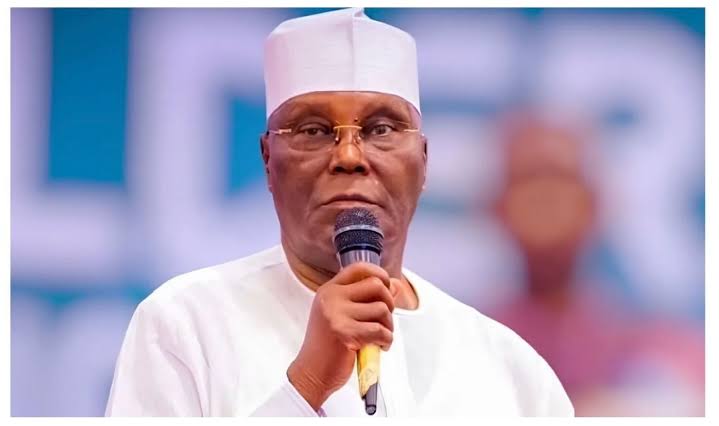
Presidential candidate of the African Democratic Congress, ADC, Atiku Abubakar, has pledged to review the Nigerian Education Loan Fund, NELFUND, policy and introduce debt forgiveness for eligible Nigerian students.
Atiku also dismissed as “dishonest” President Bola Tinubu’s attempt to use the student-loan scheme as evidence that education has become more affordable under his administration.
The former vice president’s Senior Special Assistant on Public Communication, Phrank Shaibu, stated this in a statement issued on Tuesday evening in response to a post by Tinubu on X. The president had criticised Atiku’s economic proposals without directly mentioning him.
Shaibu faulted Tinubu’s reference to NELFUND as a defence of his administration’s education policies, arguing that the government had increased the cost of education before presenting loans as a solution.
“Celebrating NELFUND as proof that education has become affordable under your government is like setting school fees on fire and then boasting that you lent students a bucket of water. What exactly is the wisdom in presiding over dramatic increases in school fees in some institutions, only to turn around and celebrate loans as the solution?”, he queried.
Describing the policy as “witchcraft economics,” Shaibu said: “You make education more expensive, lend students money to survive the increase, and then demand applause for the rescue. That is not affordability. It is witchcraft economics: create the burden with one hand, offer debt with the other, and demand applause for the intervention.”
According to him, Atiku had already reviewed the existing student-loan framework and was opposed to a situation where young Nigerians would begin their working lives burdened by education-related debts.
“His approach will reduce the underlying cost of education and, after review, provide forgiveness for qualifying student debts so that young Nigerians can graduate with hope rather than repayment burdens. Education should open doors, not mortgage the future”, said Shaibu.
He stressed that loans should not be equated with scholarships, arguing that the effectiveness of education policies should instead be measured by whether families can afford to keep their children in school without resorting to borrowing.
Shaibu said the government should not “parade the loan itself as evidence that the system is working” when the cost of education had become unaffordable for many ordinary families.
He also accused the presidency of using fear to influence students and workers by claiming that Atiku’s proposed intervention on energy, which targets Nigerian crude supplied to domestic refineries, could negatively affect NELFUND, workers’ salaries or the minimum wage.
“If your government has the arithmetic, Bola, publish it. Show Nigerians, line by line, how a transparently budgeted subsidy tied to Nigerian crude and domestic refining suddenly empties NELFUND or workers’ pay packets”, he demanded.
Shaibu maintained that Atiku’s proposal was contrary to the position attributed to the presidency, arguing that lower energy and transportation costs would increase the purchasing power of workers’ salaries and reduce the financial burden on students.
“Reduce the cost of energy so that salaries buy more. Reduce transport costs so that less of a worker’s wage disappears merely getting to work. You cannot make life painfully expensive, push students towards debt to survive the consequences, and then frighten those same students that cheaper fuel will take their loans away”, he declared.
9/1/2026, 8:21:48 PM
views 12
4