Subscribe to our newsletter

ICYMI: Delta Okays N1.2tn Proposed 2027 Budget
The Delta State Executive Council has approved a proposed budget of over N1.2 trillion for the 2027 fiscal year, paving the way for its submission to the State House of Assembly for legislative consideration. The Commissioner for Works (Rural Roads) and Public Information, Charles Aniagwu, announced this on Monday while briefing journalists after the State Executive Council meeting at the Government House Annex, Edjeba, Warri South Local Government Area. Aniagwu said the proposed budget was designed to provide the financial framework for implementing infrastructure projects and other development programmes scheduled for 2027. According to him, the budget will support the development priorities of the Governor Sheriff Oborevwori-led administration, particularly in infrastructure, education, economic empowerment, electricity, security and other key sectors. He stressed that the government remained committed to presenting a realistic budget that would sustain development and deliver meaningful benefits to residents across the state. The commissioner explained that the administration's development initiatives were anchored on its MORE Agenda, which represents Meaningful Development, Opportunities for All, Realistic Reforms, and Enhanced Peace and Security. He assured Deltans that the government would sustain the equitable distribution of projects and opportunities across the state's 25 local government areas, irrespective of the political activities surrounding the 2027 general elections. On economic empowerment, Aniagwu noted that the administration recognised the importance of improving residents' purchasing power alongside infrastructure development. He recalled that the state government had approved various social investment programmes through the relevant agency, including interventions providing beneficiaries with up to N250,000 to support and expand their businesses. He said the initiative was aimed at strengthening small-scale enterprises, putting money directly into the hands of residents and stimulating economic activities across the state. Aniagwu further noted that ongoing construction projects were creating employment opportunities for artisans, bricklayers, iron benders, building materials suppliers and other categories of workers. He reiterated that the Oborevwori administration remained committed to promoting development and economic growth, adding that the proposed 2027 budget would provide the necessary financial backing to achieve its development objectives. On electricity generation, the commissioner disclosed that Delta State had entered into a partnership with Sapele Power to deploy turbines brought into the state by previous administrations but which had yet to be fully utilised. He said the partnership was expected to generate approximately 120 megawatts of electricity for injection into the national grid.
11/10/2026, 8:51:46 AM
views 9175
I’ll Restore Subsidy To Ease Hardship — Atiku Insists
The presidential candidate of the African Democratic Congress (ADC), Atiku Abubakar, has reaffirmed his commitment to restoring petrol subsidy if elected president in 2027, insisting that the policy would ease the economic hardship facing Nigerians. Atiku restated his position in a post on X on Monday, where he shared a campaign video outlining his proposed approach to the petrol subsidy policy. “My position stands! I will restore subsidy to make life easier and more affordable for Nigerians,” the former Vice-President wrote. In the video, a female narrator highlighted the high cost of petrol in Nigeria, which she said had exceeded ₦1,300 per litre, while noting that citizens of other crude oil-producing countries, including Libya, Iran, Venezuela, Kuwait and Saudi Arabia, enjoy cheaper fuel prices. The narrator explained that Atiku's proposed subsidy arrangement would focus on supporting petrol produced by local refineries rather than imported petroleum products. The video also featured Atiku reiterating his commitment, saying, “My position has not changed and will not change. I will restore it.” According to the video, the proposed intervention would support domestic refining until the industry becomes sufficiently established to operate without government assistance. Atiku's latest declaration comes amid continued debate over the removal of petrol subsidy by President Bola Tinubu's administration in May 2023. Tinubu announced the removal during his inauguration, arguing that the government could no longer sustain the increasing cost of subsidy and that the funds saved would be redirected towards infrastructure, education, healthcare and job creation. However, Atiku has consistently criticised the economic consequences of the policy, making its restoration a major component of his 2027 presidential campaign promises. At the ADC presidential campaign flag-off in Sokoto on November 4, the former Vice-President also pledged to restore petrol subsidy, reopen Nigeria's land borders for legitimate trade and address insecurity if elected. The 2027 presidential election is scheduled for January 16, according to the Independent National Electoral Commission. Atiku secured the ADC presidential ticket in May for his seventh attempt at the presidency. However, a Federal High Court in Abuja on November 5 nullified his nomination alongside decisions taken by the party's David Mark-led leadership.
11/10/2026, 8:44:04 AM
views 1405
LG Autonomy: EFCC Probes 774 Chairmen’s Spending
The Economic and Financial Crimes Commission (EFCC) is conducting a discreet investigation into the 774 local government chairmen across Nigeria over their management and expenditure of public funds since the councils gained financial autonomy. The investigation, being coordinated by the commission’s zonal directorates, is aimed at determining whether the council chairmen have demonstrated accountability and transparency in managing funds allocated to their respective local governments. Sources familiar with the exercise disclosed that the EFCC is particularly interested in examining how the chairmen have utilised their allocations, their administrative capacity and the extent to which financial autonomy has translated into improved service delivery at the grassroots. An official of a state Ministry of Local Government had earlier confirmed the development, disclosing that all local government chairmen in the state were being investigated by the anti-graft agency. “All the local government chairmen in the state are currently being probed by EFCC over their spending,” the official said. However, sources within the commission confirmed that the investigation was not limited to any particular state but covered all 36 states and the Federal Capital Territory. One of the sources explained that the exercise was being conducted secretly to establish whether local government administrations had become more accountable and effective following the Supreme Court judgment granting them financial autonomy. The source said the commission was also assessing the impact of the autonomy on the economy, the integrity of council officials and their ability to manage public resources. According to the source, the EFCC intends to compare the level of development and financial management at the grassroots before and after the introduction of financial autonomy to determine whether the policy has produced tangible results. The investigation comes more than two years after the Supreme Court affirmed the financial autonomy of Nigeria’s 774 local government areas and restrained state governors from controlling or withholding funds allocated to the councils. In May 2024, the Federal Government, through the Attorney-General of the Federation and Minister of Justice, Lateef Fagbemi, approached the Supreme Court to challenge the governors’ control over local government finances. The suit sought to prevent governors from dissolving democratically elected local government councils and replacing them with caretaker committees. It also challenged the practice of receiving and withholding allocations meant for the councils. The Federal Government maintained that the 1999 Constitution recognised democratically elected local government administrations and did not provide for caretaker committees as an alternative. On July 11, 2024, the Supreme Court delivered a landmark judgment in favour of local government financial autonomy, declaring it unconstitutional for state governors to control or withhold funds allocated to the councils. The seven-member panel, led by Justice Garba Lawal, also ordered the Accountant-General of the Federation to pay local government allocations directly into the councils’ accounts. The ruling was expected to strengthen grassroots governance by enabling elected council officials to independently manage their finances and execute development projects without interference from state governments. However, concerns about accountability and the utilisation of the funds prompted the EFCC to announce plans to monitor local government expenditure. In October 2024, EFCC Chairman, Ola Olukoyede, disclosed that the commission would monitor the budget performance of local governments nationwide to ensure that public allocations were utilised for their approved purposes. Olukoyede, who spoke in an interview published in the commission’s magazine, said the agency was prepared to collaborate with relevant stakeholders to track council expenditure and prosecute officials found guilty of financial misconduct. He also identified the establishment of additional zonal directorates as part of measures to expand the commission’s operational reach and strengthen its capacity to monitor public funds across the country. He said the commission was committed to ensuring accountability in the management of local government resources and would bring anyone found violating the law to justice. Efforts to reach the EFCC spokesperson, Dele Oyewale, for comments were unsuccessful as of Monday night when the report was filed. **The PUNCH**
11/10/2026, 8:36:50 AM
views 7073
FG Cancels NTI Admissions, Halts Degree Programmes
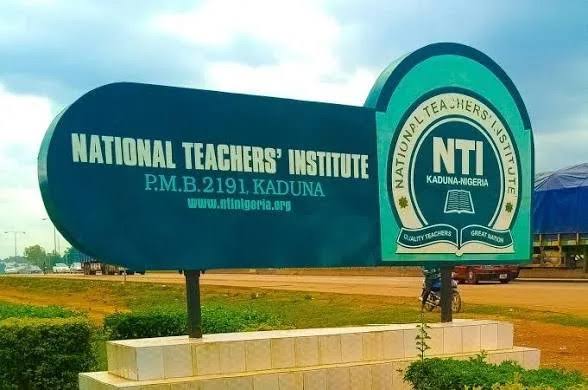
The Federal Government has cancelled all admissions into the National Teachers’ Institute (NTI) National Certificate in Education (NCE) and degree programmes for the 2026 academic session over alleged violations of regulatory requirements governing admissions, accreditation and university affiliations. The Federal Ministry of Education also directed the Kaduna-based institution to terminate all university affiliations and degree-awarding arrangements, declaring that it lacked the legal authority to award NCE and university degrees. The decisions were contained in a statement issued on Saturday by the ministry’s Director of Press and Public Relations, Boriowo Folasade. The ministry cautioned prospective students, parents and the general public against seeking admission into the affected programmes, including full-time, part-time and Distance Learning Studies (DLS). It stated that all admissions into the institute’s NCE and degree programmes for the 2026 academic session had been cancelled, adding that NTI was not authorised to operate the programmes in question. The statement further warned members of the public against applying for admission, accepting admission offers or making payments to the institute for the affected programmes. According to the ministry, the directive followed violations of the Ministerial Operational Guidelines issued on September 12, 2025. It explained that admissions into NCE programmes must comply with the requirements of the Joint Admissions and Matriculation Board (JAMB), as well as accreditation standards established by the National Commission for Colleges of Education (NCCE). The ministry also directed the National Universities Commission (NUC) to formally notify affected universities and ensure strict compliance with the order discontinuing NTI’s degree-awarding arrangements. However, the Federal Government assured students already enrolled in existing programmes that measures would be taken to protect their academic interests, particularly those in NCE II–IV Distance Learning Studies. It disclosed that the NCCE would undertake a comprehensive accreditation exercise covering existing NCE programmes and study centres across the six geopolitical zones to determine which students would be eligible to complete their studies. The ministry explained that eligible students would be permitted to continue and complete their programmes, subject to the outcome of the accreditation exercise and other regulatory requirements. It further clarified that the statutory responsibilities of NTI remained centred on teacher training, retraining, in-service development and continuous professional development. The institute is also expected to provide pedagogical capacity-building and a three-to-six-month Special Abridged Programme for serving teachers with non-Education degrees to acquire the professional competencies required for registration with the Teachers Registration Council of Nigeria (TRCN). The ministry said the intervention was designed to safeguard students, uphold academic standards and prevent prospective applicants from enrolling in unapproved academic programmes. It consequently advised members of the public to verify the accreditation and admission status of academic programmes through relevant regulatory agencies and official government channels before seeking admission or making any payment.
11/8/2026, 8:20:32 AM
views 8631
2027: Again, Tinubu Blames Atiku For Hunger In Nigeria
President Bola Tinubu has again blamed the African Democratic Congress (ADC) presidential candidate, Atiku Abubakar, and other opposition leaders for the economic hardship and hunger currently being experienced by Nigerians. Tinubu made the remarks on Saturday in Port Harcourt, the Rivers State capital, during the All Progressives Congress (APC) presidential campaign rally, insisting that the hunger confronting Nigerians did not begin under his administration. The President attributed the situation to years of poor leadership by Atiku and other political leaders who held positions of authority before his emergence as president. “These people who are shouting hunger today are the ones who caused the hunger. Atiku and his friends were in government for years. They had the chance to build Nigeria. They did not build it. They ate the money,” he said. Tinubu noted that Atiku served as vice president for eight years, arguing that he had sufficient opportunity and authority to contribute to Nigeria's development but failed to make meaningful changes. He accused opposition figures of exploiting the prevailing hunger and economic challenges to discredit his administration, insisting that their criticism was driven by political ambition rather than genuine concern for Nigerians. The President further maintained that his administration was taking steps to tackle hunger through investments in agriculture, food production and job creation.
11/8/2026, 8:13:45 AM
views 8126
Emergency Care: Doctors Reject Jail Bill, Threaten Nationwide Strike
The Nigerian Medical Association (NMA) and the Nigerian Association of Resident Doctors (NARD) have opposed a proposed amendment to the National Health Act that seeks to impose up to six months’ imprisonment or a N300,000 fine on doctors and other healthcare workers who deny or delay emergency medical treatment. While the NMA warned that the proposed criminal sanctions could expose medical practitioners to unjust prosecution for circumstances beyond their control, NARD threatened nationwide industrial action if the National Assembly proceeded with the punitive provisions. The two professional bodies argued that penalising healthcare workers without first addressing inadequate funding, poor hospital infrastructure, manpower shortages and the lack of essential medical supplies could worsen Nigeria’s healthcare challenges and encourage more medical professionals to leave the country. Their opposition followed the passage for second reading of the National Health Act (Amendment) Bill, 2026, sponsored by Senator Abdulaziz Yar’Adua, representing Katsina Central Senatorial District. The proposed legislation seeks to introduce mandatory standards for emergency medical treatment and referral procedures in public and private healthcare facilities across the country. Under the bill, hospitals would be required to commence emergency assessments within 15 minutes of a patient's arrival and provide basic stabilisation measures, including oxygen therapy, intravenous fluids and pain relief, within 30 minutes. It also provides for immediate life-saving interventions in critical situations and establishes timelines for transferring patients who require specialised medical attention. Healthcare professionals and facilities found violating the proposed provisions could face a fine of up to N300,000, six months’ imprisonment or both. The bill, which received the support of a majority of senators through a voice vote on Wednesday, has been referred to the Senate Committee on Tertiary and Primary Health for further legislative consideration and a public hearing. Reacting to the development in a statement signed by its National Publicity Secretary, Prof. Olayinka Atilola, on Friday, the NMA acknowledged the good intentions behind the proposed legislation but urged lawmakers to consider the realities of healthcare delivery before introducing criminal penalties. The association identified inadequate hospital infrastructure, insufficient medical personnel, shortages of essential medicines, faulty equipment, unreliable electricity and oxygen supplies, poor ambulance services and weak referral networks as major challenges affecting emergency healthcare delivery. It questioned how hospitals with only one doctor attending to several critically ill patients, inadequate nursing staff and no functional oxygen supply could comply with the proposed 15-minute assessment and 30-minute stabilisation requirements. The NMA also highlighted situations where emergency surgeries could be delayed because operating theatres were occupied, compatible blood was unavailable or specialists were not on duty. Similarly, patients referred to tertiary healthcare facilities could experience delays due to unavailable ambulances, a lack of beds at receiving hospitals, insecurity and poor road infrastructure. According to the association, these challenges represent the everyday realities of healthcare facilities, particularly in rural and underserved communities. “The NMA is particularly concerned about the possibility of imposing criminal liability without sufficiently distinguishing between wilful professional misconduct and failures arising from institutional or systemic limitations,” the statement read. “There is an important difference between a healthcare worker who deliberately abandons a patient despite having the capacity and resources to provide emergency care, and one who is unable to provide a particular intervention because the necessary equipment, personnel, medicines or infrastructure are unavailable.” The association maintained that the inability to provide a particular medical intervention should not automatically be classified as professional negligence, stressing that criminal law should address culpable conduct rather than unfavourable clinical outcomes. It further warned that enforcing rigid timelines without considering clinical circumstances and available resources could encourage defensive medical practices, unnecessary interventions and avoidable referrals instead of improving patient outcomes. In a separate reaction, NARD described the proposed penalties as unjust and punitive, arguing that doctors should not be held criminally responsible for failures resulting from inadequate government funding, poor hospital facilities and insufficient personnel. In a statement issued on Thursday, the association said it supported efforts to guarantee prompt emergency medical attention but would resist any legislation that criminalised healthcare workers for systemic failures beyond their control. “It is unacceptable to punish doctors for the consequences of a healthcare system that successive governments have failed to adequately fund, equip and staff,” the association said. NARD noted that medical practitioners were already contending with difficult working conditions, including obsolete equipment, inadequate manpower, unreliable electricity, shortages of emergency medical supplies and deteriorating hospital infrastructure. Questioning the urgency attached to the proposed penalties, the association challenged the National Assembly to demonstrate similar commitment to addressing the country's persistent healthcare funding challenges. It observed that Nigeria had continued to fall short of the 15 per cent health-sector budget allocation target contained in the Abuja Declaration. The association urged lawmakers to prioritise adequate healthcare funding, functional emergency departments, modern diagnostic equipment, uninterrupted electricity, reliable ambulance services and sufficient medical personnel. “You cannot legislate oxygen into an empty cylinder, electricity into a dark operating theatre, or life-saving equipment into an inadequately funded hospital,” it said. NARD also challenged political officeholders to accept the same accountability standards they intend to impose on healthcare professionals. It proposed that public officeholders should be required to seek medical treatment in Nigerian government hospitals, with appropriate sanctions for those who misuse public resources on avoidable overseas medical trips. According to the association, the continued preference for foreign medical treatment by political leaders raises questions about their commitment to strengthening Nigeria's public healthcare system. It further warned that introducing additional criminal penalties for already overstretched medical personnel could accelerate the migration of skilled healthcare workers under the Japa syndrome. Although NARD acknowledged that the proposed amendment recognises resource limitations and circumstances beyond the control of medical practitioners, it maintained that the safeguards were inadequate unless they were made explicit, comprehensive and enforceable. The association insisted that doctors should not face criminal prosecution over institutional failures, unavailable medical equipment, inadequate staffing or other circumstances beyond their reasonable control. It therefore called on the National Assembly to withdraw and reconsider the punitive provisions, urging lawmakers to consult medical associations, hospital administrators
11/7/2026, 12:32:11 PM
views 6118
No Court Ruling Can Keep Me Off 2027 Ballot — Atiku Tells Tinubu
Former Vice President Atiku Abubakar has declared that he remains in the 2027 presidential race, insisting that no court ruling, political pressure or intimidation will stop him from appearing on the ballot. Atiku made the declaration in a statement issued on Friday, November 6, 2026, in response to the latest court ruling affecting the African Democratic Congress (ADC), stressing that Nigerians, not the courts, should ultimately determine the country's political leadership through a free and fair election. He maintained that the ruling should not be mistaken for the will of Nigerians, insisting that no political manoeuvring or legal action could erase his participation in the electoral contest or deny citizens the opportunity to choose their preferred leaders. The former vice president accused the ruling government of deploying political pressure, manufactured narratives and courtroom manoeuvres to weaken opposition parties and undermine democratic competition. He also alleged attempts to compromise the voters' register through AI-generated photographs, false names and fictitious identities, describing such developments as calculated efforts to make genuine political competition impossible and push Nigeria towards a one-party state. Atiku challenged the ruling government to present its achievements to Nigerians rather than allegedly relying on political manoeuvres to frustrate opposition parties. He criticised the administration's handling of the economy, particularly the removal of fuel subsidy without adequate measures to cushion its effects, the depreciation of the naira and rising food prices. According to him, factories and small businesses have shut down, while many young Nigerians are leaving the country in search of better opportunities amid worsening insecurity, banditry and kidnapping. He lamented that the rising cost of living had made it increasingly difficult for ordinary Nigerians to feed their families, adding that the hardship being experienced across the country should motivate citizens to defend their democratic rights. Reaffirming his commitment to the presidential contest, Atiku declared that he would not withdraw from the race despite what he described as threats, blackmail and attempts to use the courts to frustrate his political ambition. "Let me be clear to every Nigerian who has stood with us: I am in this race. I am not going anywhere. We will be on the ballot. No threat, blackmail or court manoeuvre will make me abandon you or the cause we share," he said. He further called on Nigerians to resist any attempt to turn the country into a one-party state, maintaining that the nation's democracy must accommodate multiple political parties and diverse voices. Atiku challenged those in power to test their popularity at the polls, insisting that a free, fair and credible election remained the only acceptable way to determine the country's leadership. He urged his supporters to remain calm, united and resolute, assuring them that his campaign would continue to focus on the rising cost of living and the need to make life more affordable for Nigerians. "Let me say this plainly: Bola cannot use the courts to escape the judgment of Nigerians at the ballot box," Atiku added.
11/6/2026, 4:01:44 PM
views 7041
Uzbekistan Places Temporary Visa Ban On Nigerians
Uzbekistan has introduced temporary restrictions on visa issuance and entry into the country for Nigerian citizens. A notice published on the website of the Green Energy Technologies Central Asia (GETCA) exhibition disclosed that Nigerian nationals are currently affected by the restrictions. The notice stated: “Temporary restrictions have currently been introduced on the issuance of visas and entry into the Republic of Uzbekistan for citizens of your country.” However, Nigerians seeking to travel to Uzbekistan under exceptional circumstances have been advised to contact the consular section of the country's embassy for further clarification. Nigeria is not the only country affected by the reported restrictions, as similar notices have also been issued for citizens of Ghana, Kenya, Egypt, Iraq and Bangladesh. As of Friday, no official statement explaining the reasons for the restrictions had been published on the website of Uzbekistan's Ministry of Foreign Affairs. Although the ministry's general visa information page outlines entry and visa arrangements for foreign nationals, it does not provide specific details about the restrictions reportedly imposed on Nigerians. The development could affect Nigerians planning to visit the Central Asian country for tourism, business, educational programmes and other purposes. Affected travellers have therefore been advised to contact the Uzbek embassy's consular section to determine whether they qualify for exceptional entry arrangements.
11/6/2026, 3:25:16 PM
views 4745
Obasanjo Responsible For My Children's Inability To Go To School In Nigeria — Amaechi
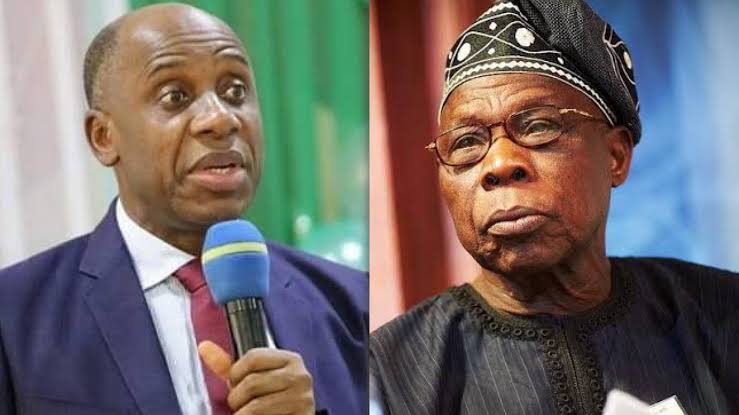
The vice-presidential candidate of the African Democratic Congress (ADC), Rotimi Amaechi, has explained why his children did not receive their education in Nigeria, attributing the decision to circumstances surrounding his political crisis with former President Olusegun Obasanjo. Amaechi made the disclosure during an interview with News Central Television on Friday, where he recounted how Obasanjo allegedly forced him out of the country following his emergence as the Peoples Democratic Party (PDP) governorship candidate in Rivers State in 2006. According to the former Rivers State governor, Obasanjo, who was president at the time, opposed his ambition to contest the 2007 governorship election and threatened to have him arrested. Amaechi said he responded to the situation by seeking legal redress but eventually left the country after the alleged threat of arrest. "President Obasanjo tried to stop me from being a governor but you will see that I did not go to sleep, I went to court and when he threatened arrest, I left the country," Amaechi said. He disclosed that he spent approximately 10 months outside Nigeria, during which his children began their education abroad. The ADC chieftain explained that his family had to move from one residence to another to avoid the situation, while his children continued their schooling outside the country. He added that bringing them back to Nigeria to begin their education afresh became difficult after they had settled into the foreign school system. "My children did not go to Nigerian school because Obasanjo chased us out of Nigeria. My wife and children were running from one house to another. They had to go to school outside the country to stay alive and to keep learning," he said.
11/6/2026, 2:18:01 PM
views 3680
Install WAFFITV