NCDC Places States On High Ebola Preparedness Alert
The Nigeria Centre for Disease Control and Prevention (NCDC) has placed several states on high alert for Ebola preparedness following a fresh risk assessment that classified Nigeria’s likelihood of importing the deadly disease as high amid ongoing outbreaks in parts of Africa.
In a statement issued on Thursday, the Director-General of the NCDC, Dr. Jide Idris, clarified that Nigeria had not recorded any confirmed case of Ebola Virus Disease linked to the current outbreak.
He said the declaration of a Public Health Emergency of International Concern by the World Health Organization (WHO), coupled with rising Ebola cases in the Democratic Republic of Congo and Uganda, had made it necessary for Nigeria to immediately intensify surveillance and preparedness efforts nationwide.
According to Idris, the NCDC carried out a dynamic risk assessment to support anticipatory and response measures, which showed that Nigeria faced a high risk of Ebola importation due to international travel and regional population movements.
He noted that uncertainty surrounding the scale of the outbreak, as well as the possibility of delayed detection, was worsened by the fact that Ebola symptoms closely resemble those of common endemic illnesses such as malaria and Lassa fever in Nigeria.
The NCDC boss stated that all states and the Federal Capital Territory were expected to sustain Ebola preparedness measures, although the level of readiness should align with the varying degrees of importation and transmission risks identified under the agency’s newly developed preparedness classification system.
The agency classified Lagos, the FCT, Rivers, Kano, Enugu, Borno, Akwa Ibom, Cross River, Taraba and Adamawa as high-risk states because of factors including international airports, porous borders, and active trade and travel routes.
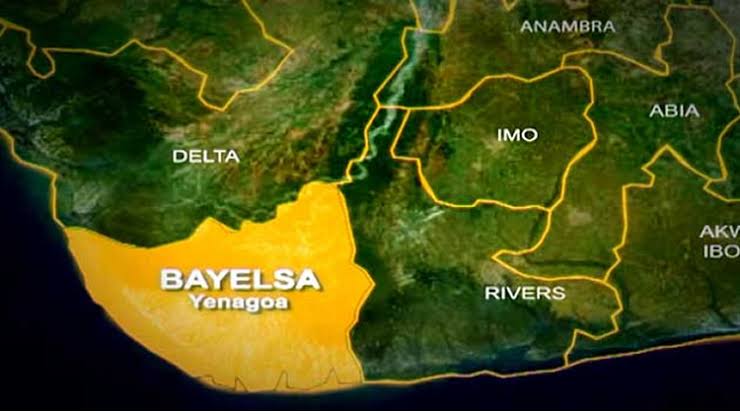
Idris also listed Ogun, Nasarawa, Kaduna, Plateau, Kogi, Niger, Jigawa, Katsina, Bauchi, Ebonyi, Abia and Bayelsa among the moderate-risk states that must sustain preparedness against possible Ebola importation and transmission.
He explained that the WHO declaration highlighted the seriousness of the regional threat and underscored the urgent need for Nigeria to strengthen preparedness measures before any suspected Ebola case is detected within the country.
According to him, the national preparedness strategy is aimed at ensuring that every state and the FCT can rapidly detect, contain and respond to suspected Ebola cases while protecting health workers and maintaining essential healthcare services.
Idris reiterated that Nigeria currently has no confirmed Ebola case linked to the outbreak, but warned that increasing regional transmission significantly raised the country’s risk of importation due to population movement and extensive travel networks.
He added that airports, seaports, porous land borders, informal crossing points and trade routes, combined with the similarity between Ebola symptoms and those of malaria and Lassa fever, increased the chances of delayed detection and possible spread of the disease across the country.
The NCDC chief further disclosed that health authorities in the Democratic Republic of Congo and Uganda had recorded 1,077 suspected Ebola cases and 247 deaths, with people between the ages of 14 and 45 accounting for the majority of those affected.
He said the outbreak currently has a case fatality rate of 24.6 per cent, while both regional and national Ebola risks remain high due to ongoing transmission and the absence of approved vaccines for the outbreak strain.
Idris stressed that there are presently no approved vaccines or specific treatments for Bundibugyo Ebola virus disease, making rapid public health interventions essential to contain infections and prevent widespread transmission in vulnerable communities.
5/29/2026, 7:22:17 AM
views 4052
7926