Nigeria Needs Bigger Budget To Drive Development – FG
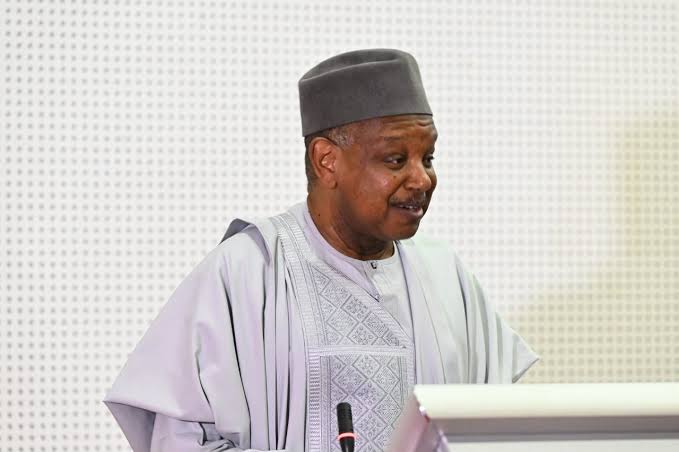
The Minister of Budget and Economic Planning, Atiku Bagudu, has said Nigeria has one of the smallest national budgets among the world’s 10 most populous countries, despite its large population and significant development needs.
Bagudu made the statement on Monday at the Senate Press Corps Capacity-Building Workshop in Abuja, organised under the theme, **“Leveraging Legislative Oversight and Media Collaboration to Safeguard the National Budget from Unlawful Insertion.”**
The minister called for a broader national discussion on revenue mobilisation, stressing the need for Nigeria to expand its fiscal space to finance development and achieve its long-term economic objectives.
He said the conversation around the national budget should begin by asking fundamental questions about its purpose and appropriate size.
According to him, Nigeria’s limited fiscal space, when compared with its population and development needs, raises concerns about whether current levels of public spending are sufficient to meet the country’s development goals.
Bagudu said, “I would like to say that out of the top 10 most populous countries in the world, we have the smallest national budget.
“Should we continue with a budget that leaves our populace with one of the smallest budgets, or should we consider how we can mobilise more resources?”
He urged journalists to scrutinise budget provisions thoroughly and ask relevant questions rather than reaching conclusions without adequate context.
The minister said effective budget oversight should involve examining the constitutional process, the rationale behind spending decisions and the development needs that specific provisions are designed to address.
Bagudu, a former governor of Kebbi State, linked the discussion to President Bola Tinubu’s Renewed Hope Agenda and the government’s ambition to build a more prosperous and inclusive economy.
He noted that the Agenda 2050 framework also provided a broader context for decisions concerning resource mobilisation and public investment.
According to him, Nigeria’s ambition of building a $1tn economy requires the country to confront difficult but necessary questions about how resources are generated and deployed to fund development.
Bagudu also stressed that decisions on revenue, expenditure and borrowing were closely connected to public confidence, adding that citizens’ understanding and support were crucial to enabling the government and National Assembly to take major fiscal decisions.
He further highlighted the constitutional responsibility of the National Assembly in the budget process, noting that the legislature has ultimate authority over the national budget within Nigeria’s constitutional framework.
On alleged budget insertions, Bagudu cautioned journalists against assuming that every unfamiliar provision was irregular. He urged them to investigate the origin, purpose and beneficiaries of specific provisions before drawing conclusions.
“We are dealing with human processes and human errors. Therefore, vigilance is necessary, and the media and legislative oversight should remain vigilant,” he said.
The minister also advocated a balanced approach to budget transparency, particularly where the disclosure of certain information could affect national security or strategic interests.
While emphasising the importance of transparency, accountability and the public’s right to know, Bagudu said responsible reporting should also take the wider national interest into consideration.
He urged journalists to remain rigorous in holding public institutions accountable while ensuring that budget reporting remained focused on Nigeria’s broader development challenges.
“How careful are we to ensure that, while insisting on holding public officials to account, we do not lose sight of the bigger picture?” he asked.
An analysis published by *The PUNCH* in August showed that the combined budgets of Nigeria’s 36 states and the Federal Capital Territory increased by 47.5 per cent, from N27.22tn in 2025 to N40.14tn in 2026.
However, the share allocated to capital projects declined from 73.24 per cent in 2025 to 64.34 per cent in 2026.
In absolute terms, capital expenditure rose from N19.94tn to N25.83tn during the period, indicating that the decline was in its proportion of total spending rather than in the amount allocated.
The Federal Government’s 2026 budget stands at N68.32tn, significantly higher than the combined budgets of the 36 states and the FCT.
[🔓JAILBREAK]
### Bagudu Calls for Bigger Fiscal Space, Says Nigeria Has Smallest Budget Among Top 10 Most Populous Nations
Minister of Budget and Economic Planning, Atiku Bagudu, has called for a national conversation on revenue mobilisation, saying Nigeria’s budget remains disproportionately small compared with its population and development requirements.
Bagudu spoke on Monday at the Senate Press Corps Capacity-Building Workshop in Abuja, themed **“Leveraging Legislative Oversight and Media Collaboration to Safeguard the National Budget from Unlawful Insertion.”**
He argued that Nigeria’s fiscal capacity must be expanded if the country is to adequately finance development and achieve its long-term economic ambitions.
The minister said, “I would like to say that out of the top 10 most populous countries in the world, we have the smallest national budget.
“Should we continue with a budget that leaves our populace with one of the smallest budgets, or should we consider how we can mobilise more resources?”
Bagudu urged journalists to go beyond identifying controversial budget provisions and investigate their origins, purposes, beneficiaries and constitutional basis before describing them as irregular.
He said proper scrutiny of the budget must also take into account the country’s development priorities, the roles of the executive and legislature, and the broader economic circumstances surrounding government spending.
The former Kebbi governor connected the revenue debate to President Bola Tinubu’s Renewed Hope Agenda and the ambition to build a $1tn Nigerian economy, stressing that achieving such an objective would require difficult decisions on revenue generation, expenditure and borrowing.
He also warned that public confidence remained critical to major fiscal decisions, saying citizens needed to understand and support the processes through which public resources were raised and allocated.
Bagudu reaffirmed the constitutional role of the National Assembly in approving the national budget and urged the media to strengthen legislative oversight through evidence-based reporting.
On alleged budget insertions, he said unfamiliar provisions should not automatically be regarded as unlawful.
“We are dealing with human processes and human errors. Therefore, vigilance is necessary, and the media and legislative oversight should remain vigilant,” he said.
The minister also called for responsible handling of sensitive budget information, noting that transparency and the public’s right to know must sometimes be balanced against national security and strategic interests.
He urged journalists to continue holding public institutions accountable while maintaining focus on the broader development challenges facing the country.
“How careful are we to ensure that, while insisting on holding public officials to account, we do not lose sight of the bigger picture?” he asked.
Meanwhile, *The PUNCH* reported in August that the combined budgets of Nigeria’s 36 states and the FCT increased by 47.5 per cent, from N27.22tn in 2025 to N40.14tn in 2026.
Although capital expenditure increased in nominal terms from N19.94tn to N25.83tn, its share of the combined budgets fell from 73.24 per cent to 64.34 per cent.
The Federal Government’s 2026 budget is N68.32tn, exceeding the combined budgets of the states and the FCT.
9/29/2026, 7:52:37 AM
views 8073
5212