Subscribe to our newsletter

Nigeria, UK Sign Deal For Deportation Of Failed Asylum Seekers, Offenders
Nigeria has signed a new bilateral agreement with the United Kingdom, paving the way for British authorities to deport thousands of failed asylum seekers and convicted offenders back to the West African country. The pact was finalised by Interior Minister Olubunmi Tunji-Ojo and UK Home Secretary Shabana Mahmood during President Bola Tinubu’s official two-day visit to Britain, spanning Wednesday and Thursday, according to a statement issued by the UK Home Office. Under the agreement, the UK is authorised to return not only failed asylum seekers and convicted individuals but also migrants who have overstayed their visas, with the framework granting broad operational latitude to British authorities. A major highlight of the deal is Nigeria’s decision—marking a first—to accept UK-issued letters as valid identification for deportees who do not possess passports. These letters will serve as alternative proof of identity, facilitating the removal of undocumented individuals. Previously, Nigeria required emergency travel certificates to process such returns. The Home Office said the new arrangement eliminates a longstanding bureaucratic hurdle that often delayed deportations. However, key details, including the start date and duration of the agreement, remain undisclosed. It is also unclear whether any financial component is attached to the deal. For context, the UK had in 2022 entered into a similar arrangement with Rwanda, committing at least £370 million to relocate asylum seekers, though the plan was later scrapped after Prime Minister Keir Starmer declared it “dead.” It is yet to be confirmed whether the new deportation framework will apply strictly to Nigerian nationals or extend to individuals of other nationalities. Reports indicate that 961 Nigerian failed asylum seekers in the UK have exhausted all legal avenues, while an additional 1,110 Nigerian nationals convicted of crimes are awaiting deportation. With the agreement now in place, both groups are expected to be repatriated more swiftly. Speaking on the development, Tunji-Ojo said Nigeria’s participation underscores its commitment to fulfilling international obligations responsibly. “For us to sustain that relationship, we must remember: ‘He who comes to equity must come with clean hands.’ So, we need to be as open and as fair as possible,” he said.
3/20/2026, 7:18:30 AM
views 8517
Reps Warn Of Imminent Petrol Scarcity, Price Hike
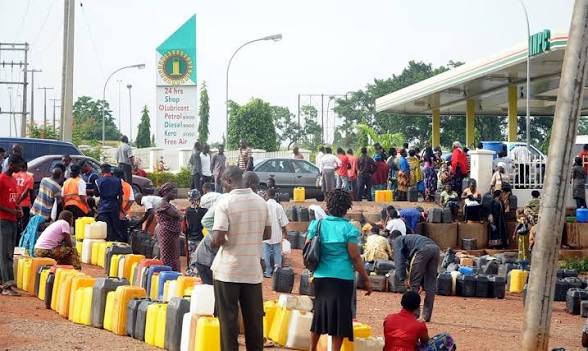
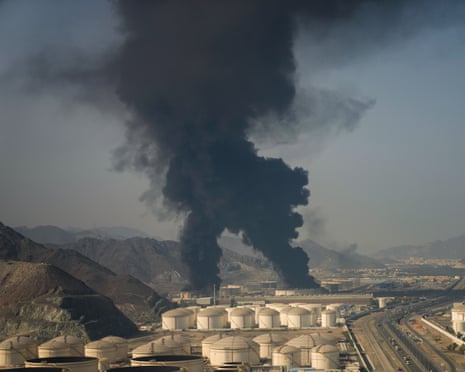
The House of Representatives Committee on Petroleum Resources (Downstream) has sounded a fresh warning over a possible resurgence of fuel scarcity nationwide, cautioning that petrol queues and higher pump prices could return if urgent steps are not taken. Addressing journalists at the National Assembly in Abuja on Thursday, Committee Chairman, Ikenga Ugochinyere, described the situation as an impending crisis that may further strain Nigerians economically in the coming weeks. He warned that failure to resolve critical supply challenges within 48 hours could lead to widespread shortages, distribution hiccups, and rising petrol prices. According to him, findings from the committee’s oversight functions show that the expected price surge is not the result of deliberate government policy but stems from inefficiencies within the fuel supply chain. A major issue identified is the insufficient supply of crude oil to the Dangote Refinery, considered central to Nigeria’s goal of achieving energy self-sufficiency and price stability. Ugochinyere revealed that although the refinery is allocated about 21 cargoes of crude oil and requires at least 15 to operate efficiently, it is currently receiving only five. He noted that the shortfall is already affecting refining output and poses a significant threat to fuel availability across the country. The committee also raised concerns over the quality of crude supplied to local refineries, stating that lower-grade crude is being delivered to facilities designed for higher-quality input. It called for priority supply of premium crude from the Niger Delta to improve refining efficiency. Another concern is the rising cost burden caused by international intermediaries. The lawmaker disclosed that crude produced in Nigeria is being sold to domestic refineries through middlemen in London and Dubai, who inflate prices without adding value. He explained that for every barrel priced at $100, refineries end up paying about $118, with the extra $18 going to intermediaries. He added that the premium has risen sharply from $2–$4 per barrel to over $18, describing the practice as exploitative and unsustainable. According to him, these added costs are ultimately transferred to consumers through higher fuel prices and unstable supply. To prevent the looming crisis, the committee urged the Presidential Technical Committee handling the crude-for-naira initiative to reconvene within 48 hours to resolve existing bottlenecks. It also called for strict enforcement of the Domestic Crude Oil Supply Obligation under the Petroleum Industry Act 2021, as well as an urgent review of crude quality standards. Ugochinyere appealed to President Bola Ahmed Tinubu to issue a clear executive directive ensuring compliance by all stakeholders to protect Nigeria’s domestic energy supply chain. While advising Nigerians to remain calm and avoid panic buying, he warned that failure to act could result in long queues at filling stations, higher transport fares, and worsening living conditions. He stressed that it is unacceptable for Nigeria—Africa’s largest oil producer—to face challenges supplying crude to its own refineries. The chairman also extended goodwill messages to Muslims observing Eid al-Fitr and Christians preparing for Easter, urging unity in addressing the nation’s economic difficulties. The warning comes amid a sharp increase in petrol prices across Nigeria, driven largely by rising geopolitical tensions involving Iran, Israel, and the United States. The conflict has heightened instability in the Middle East, a key global oil-producing region, leading to volatility in international crude markets. Concerns over supply disruptions have pushed global oil prices higher, raising the cost of refined petroleum products worldwide. For Nigeria, the impact has been severe. Despite its status as a major crude oil producer, the country remains heavily reliant on imported refined fuel, leaving domestic prices vulnerable to global oil fluctuations, exchange rate instability, and increased shipping and insurance costs. In recent weeks, petrol prices have surged from about ₦746–₦850 per litre to over ₦1,200 in many parts of the country, reflecting global price shocks, a weakening naira, and higher logistics costs. The development has intensified inflationary pressures, driving up transportation fares, food prices, and overall living expenses for millions of Nigerians. Against this backdrop, ongoing operational challenges—particularly crude supply constraints to the Dangote Refinery—have heightened fears that Nigeria may struggle to cushion the effects of global shocks, potentially worsening fuel scarcity and price instability in the near term.
3/19/2026, 7:21:43 PM
views 10949
Resign By March 31, Tinubu Orders Appointees Seeking Elective Offices
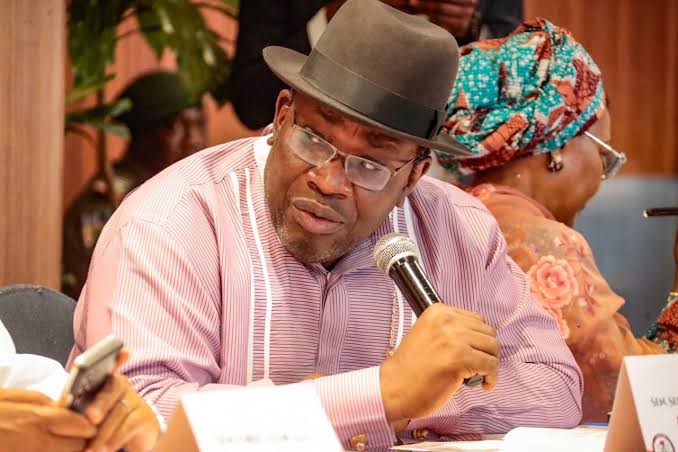
President Bola Tinubu has directed all political appointees in his administration who intend to contest elective positions in the 2027 general elections to resign their appointments on or before March 31, 2026. The directive, which affects ministers, agency heads, and presidential aides, is aimed at ensuring compliance with the nation’s legal framework and preserving the integrity of the electoral process. According to a circular from the Office of the Secretary to the Government of the Federation (OSGF), the order is “pursuant to the provisions of Section 88(1) of the Electoral Act, 2026, as well as the timetable issued by the Independent National Electoral Commission for party primaries.” The circular, signed by the Secretary to the Government of the Federation, George Akume, and released by the Permanent Secretary (General Services Office), Ibrahim Abubakar Kana, specifies that the resignation requirement covers a wide range of officials. These include “Honourable Ministers, Ministers of State, Special Advisers to the President, Senior Special Assistants, Special Assistants, and Personal Assistants to the President.” It also extends to “all Directors-General and Chief Executive Officers of Federal Government parastatals, agencies, commissions, and government-owned companies,” as well as any other political appointees seeking elective office. President Tinubu noted that the measure is necessary to “ensure full compliance with electoral laws, promote transparency in the political process, and guarantee a level playing field for all aspirants ahead of the elections.” The directive, conveyed through Dewan Nengak Goshit, Head of Information and Public Relations at the OSGF, mandates that all affected officials submit their resignation letters through the SGF’s office no later than the stipulated deadline. The administration said enforcing the timeline would help prevent the use of public office and state resources to secure undue advantage during party primaries.
3/18/2026, 6:48:48 AM
views 2360
We Are Changing Devt Narrative In Delta Riverine Communities — Oborevwori
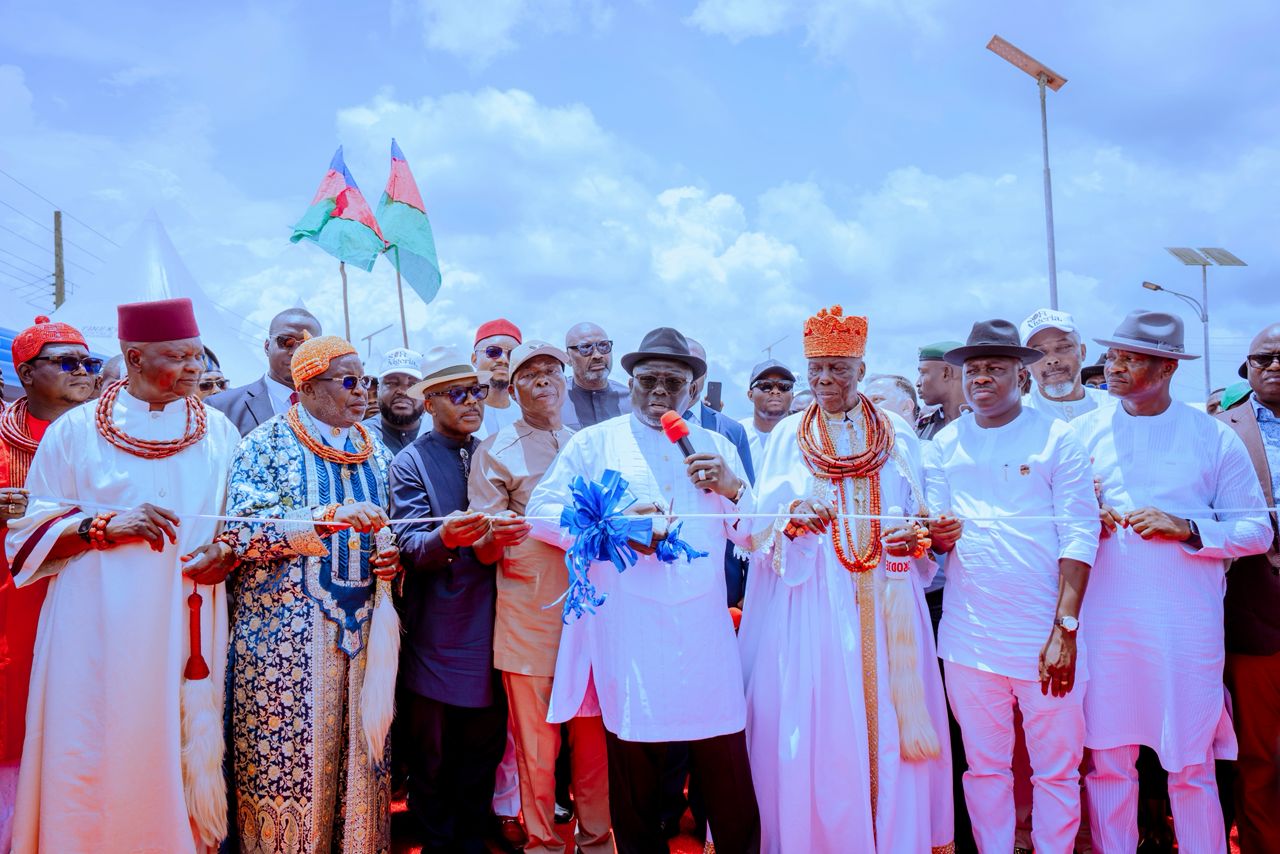
*…Commissions 31km Ohoror–Bomadi Road Amid Cheers* Delta State Governor, Rt. Hon. Sheriff Oborevwori, on Tuesday reaffirmed his administration’s determination to transform the fortunes of riverine communities through sustained investment in infrastructure and development-driven policies. The governor made the statement while commissioning the reconstructed 31-kilometre Ohoror–Bomadi Road, a key route that connects several communities across Ughelli North, Ughelli South, Patani, Burutu and Bomadi local government areas. Describing the project as a landmark achievement of his administration, Oborevwori said the road reflects the government’s commitment to balanced development, particularly in areas that have long suffered neglect due to their difficult terrain. “We are resolved to rewrite the story of our riverine communities. Our administration is committed to ensuring that sustainable development gets to every part of the state, regardless of terrain or location,” he insisted. According to the governor, the newly completed road is expected to stimulate economic activities across the benefiting communities by easing transportation, strengthening trade links and improving access to essential services. He noted that the project would directly benefit at least five local government areas, creating new economic opportunities while significantly reducing travel time for residents and commuters in the region. Oborevwori stressed that road infrastructure remains central to economic growth, explaining that improved connectivity would enable farmers to move their produce more easily to markets, attract investors and foster stronger rural-urban linkages. Providing insight into the technical scope of the project, the governor explained that the construction involved specialized engineering measures suited for the swampy environment. These included extensive sand filling, soil stabilization, reinforced concrete works, embankment protection and asphalt surfacing. He added that the road was built with carriage widths ranging between 6.5 metres and 10.3 metres, with hard shoulders incorporated in selected sections to enhance durability and safety. The governor also used the occasion to highlight several other projects currently underway across Delta State, including roads, bridges and improvements in the education sector, reiterating that his administration remains focused on delivering the MORE Agenda built on fairness, justice and equity. He further revealed that the State Executive Council recently approved development projects valued at over ₦400 billion spanning infrastructure, healthcare, education, electricity, judiciary and security sectors. On electricity supply, Oborevwori said the state government had begun implementing reforms and infrastructure upgrades aimed at improving power availability in underserved communities. These measures include extending transmission lines and installing transformers in areas that previously lacked access to electricity. He disclosed that a number of communities that had been without power for more than a decade had now been reconnected to the national grid, thereby enhancing both living standards and economic prospects. The governor also announced plans to strengthen security architecture across the state, including the establishment of police divisions in all 25 local government areas for State Police operations, alongside a Special Protection Base designed to reinforce public safety. Earlier in his remarks, the Commissioner for Works (Rural Roads) and Public Information, Mr. Charles Aniagwu, explained that the 31-kilometre road cuts across several communities and incorporates modern engineering designs to ensure long-term durability despite the challenging terrain. In his welcome address, Chairman of Bomadi Local Government Council, Hon. Dagidi Andaye, thanked the governor for what he described as a landmark intervention, noting that the area had not witnessed a project of such magnitude in more than 16 years. He expressed optimism that the road would significantly reduce accidents, enhance economic activities and ease the movement of people and goods within the region. Also speaking, community leaders and stakeholders — including Hon. Nicholas Mutu, Senator James Manager, Hon. Oboro Preyor, HRM Pere Luke Kalalanama, the First Vice Chairman of the Delta State Traditional Rulers Council, and Mrs. Flora Brisibo — applauded the governor’s inclusive leadership style and dedication to development. They pledged their continued support for Oborevwori and President Bola Tinubu, assuring both leaders of strong backing from the area in the 2027 elections. The leaders noted that the completion of the road had brought long-awaited relief to residents who had endured years of economic hardship due to poor accessibility and high transportation costs. The commissioning ceremony attracted a large gathering of residents, political figures and traditional rulers, underscoring widespread appreciation for the project and the positive impact it is expected to have on the communities.
3/17/2026, 4:15:22 PM
views 3844
Install WAFFITV