CEPEJ Convenes Peace Dialogue to Tackle Ethnic Tensions in Warri
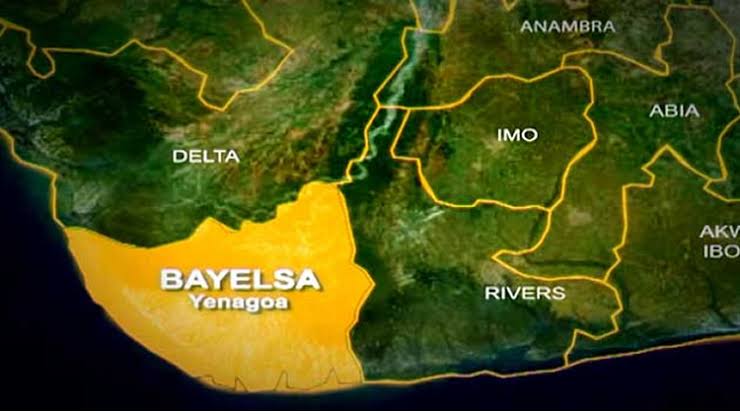
A Niger Delta-based human rights and advocacy group, The Center for Peace and Environmental Justice (CEPEJ), has launched a high-level multi-stakeholder dialogue aimed at addressing recurring ethnic tensions in Warri Federal Constituency of Delta State.
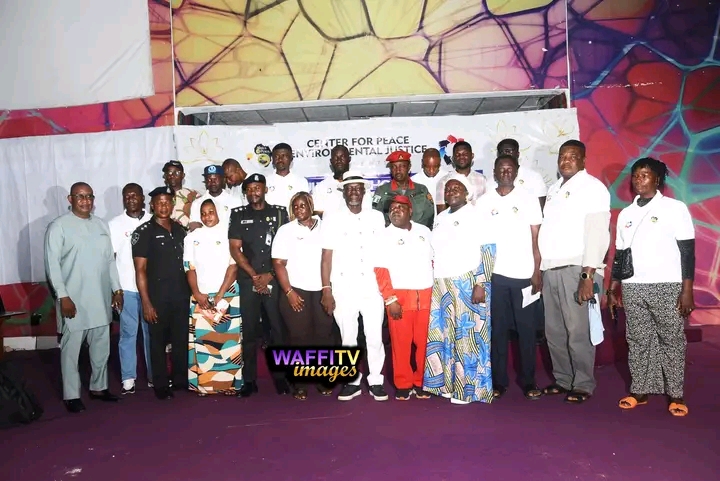
The peacebuilding roundtable, held on Tuesday at King George Hall in Warri, brought together leaders and representatives of the Ijaw, Itsekiri and Urhobo ethnic nationalities, alongside other resident communities, to chart a path toward lasting peace and unity in the area.
Participants at the dialogue included community leaders, security operatives, civil society organisations, market women and representatives of ethnic groups resident across Warri Federal Constituency. Communities represented at the meeting included the Okere Urhobo Kingdom, Itsekiri communities, Agbarha-Warri Kingdom and Ogbe-Ijoh Warri Kingdom, among others.
Also in attendance were representatives of non-indigenous groups residing in Delta State, including the Igbo, Hausa-Fulani, Yoruba, Kogi-Igala and Isoko communities.
The dialogue, themed “Restoring the Glory of Warri: Rebuilding Trust, Promoting Unity and Preventing Conflict Through Sustained Engagement,” focused on strengthening existing bonds among the various ethnic groups and developing mechanisms to prevent further escalation of disputes.
Security officials present at the event included SP Musa Yau-Kangiwa, Divisional Police Officer of ‘A’ Division, Warri; ASP Hezekiah Okpabi, representing ‘B’ Division, Warri; and ASP Obehi Idiake, Station Officer, ‘A’ Division, Warri. Civil society leaders such as Prof. Andrew Agboro, Chairman of Delta State Civil Society Organisations, and Sylvester Okoh, Chairman of the Board of Trustees of Warri Peace Community Support Initiative, also participated in the discussions.
In his address, CEPEJ National Coordinator, Comrade Sheriff Mulade, PhD, said the initiative was in line with the organisation’s sustained advocacy for durable peace and stability in Warri and neighbouring communities.
Mulade, who is the Ibe-Sorimowei of the oil-rich Gbaramatu Kingdom in Warri South-West Local Government Area, identified “conflict investors” and “conflict beneficiaries” as major triggers of unrest in contemporary society, noting that while eliminating conflicts entirely may be challenging, deliberate efforts must be made to de-escalate tensions and make violence unattractive.
He urged stakeholders to consolidate on the existing harmony within Warri Federal Constituency, stressing that the Ijaw, Itsekiri and Urhobo ethnic groups share a long history of coexistence.
“Warri Ijaw, Itsekiri and Urhobo are one. We have lived in peace even before now. Warri is our own, and the essence of peace is to consolidate and strengthen it,” Mulade said, while commending market women and representatives of non-indigenous communities for their active participation.
The event also featured a keynote address by Dr. Austin Onuoha, Adjunct Faculty member at the National Peace Academy, Abuja, who called on all ethnic groups to embrace unity and collective responsibility as the foundation for sustainable peace in Warri.
A major highlight of the programme was a unity drama presentation underscoring the importance of peaceful coexistence among the diverse ethnic groups in the area.
The dialogue culminated in the inauguration of a 20-member Warri Indigenes and Residents Peacebuilding Committee (WIRPC), comprising representatives from the various ethnic nationalities, including non-indigenes.
According to Mulade, the committee has been mandated to deepen stakeholder engagement, de-escalate tensions, sustain dialogue and reinforce peaceful practices across communities. The committee is expected to operate for one year, within which measurable progress in strengthening peace and unity in Warri is anticipated.
2/25/2026, 3:10:08 PM
views 10070
3345